
Understanding Local Regulations for Fence Installations in Orlando


Understanding Local Regulations for Fence Installations in Orlando
Installing a fence around your property can enhance privacy, increase security, and add aesthetic value. However, before you begin a fence installation in Orlando, it's crucial to understand the local regulations that govern such projects. This guide will help you navigate the rules and ensure a smooth installation process.

Research Zoning Laws and Codes
Orlando has specific zoning laws that dictate where and how fences can be installed. These laws vary depending on the neighborhood and the type of property. For instance, residential areas may have different requirements compared to commercial zones. It's essential to consult the city's zoning office or website to understand the regulations applicable to your area.
In addition to zoning laws, familiarize yourself with the Orlando building codes related to fences. These codes often cover aspects like fence height, materials allowed, and proximity to property lines. Ensuring compliance with these codes is crucial to avoid fines or having to remove an improperly installed fence.
Height and Material Restrictions
The height of your fence is a critical factor regulated by Orlando's local authorities. Typically, fences in residential front yards cannot exceed four feet in height, while backyard fences may be allowed up to six feet. However, these restrictions can vary based on specific neighborhood covenants and local ordinances.
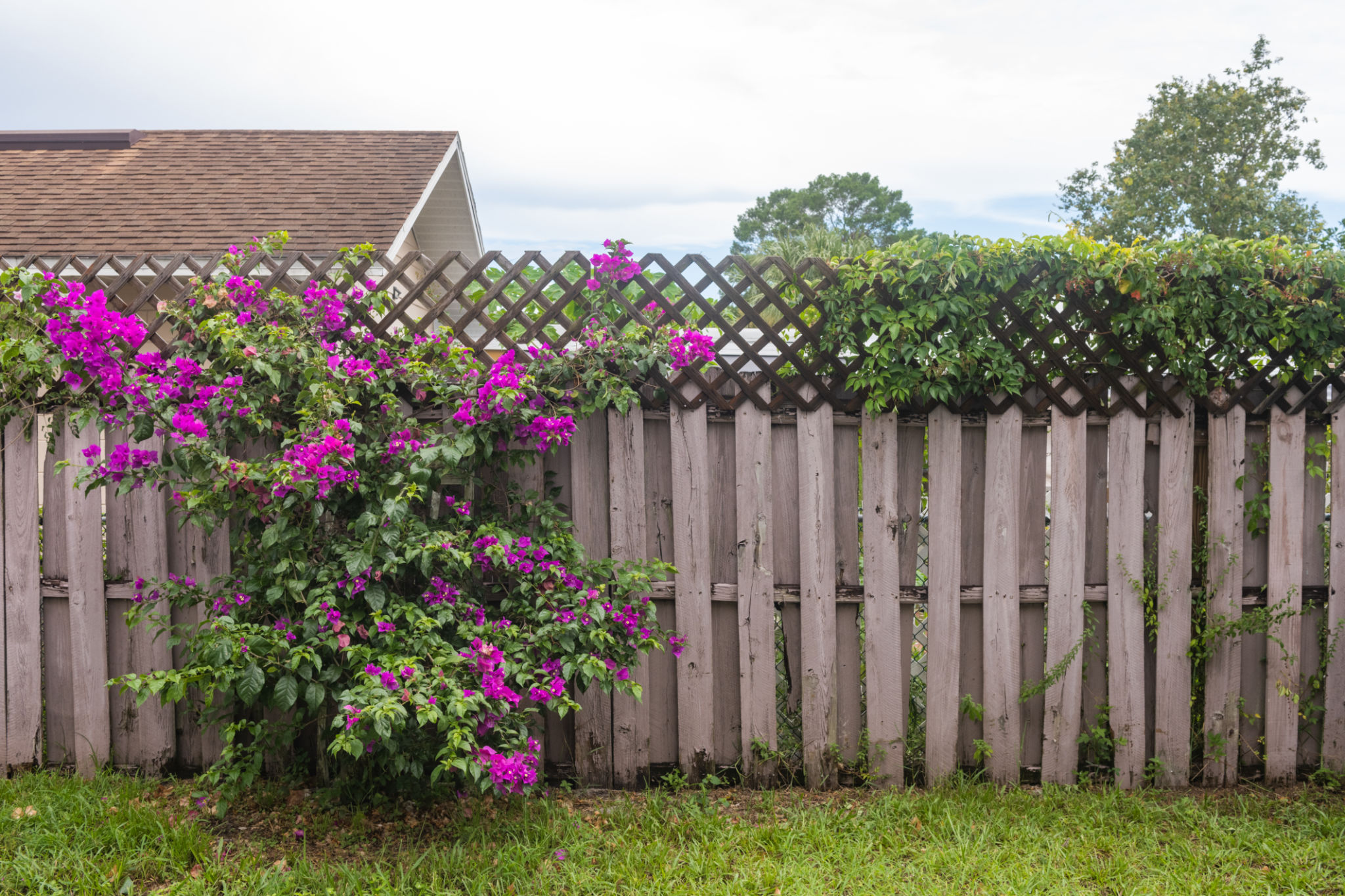
When it comes to materials, Orlando regulations often specify which materials are acceptable for fence construction. Commonly approved materials include wood, vinyl, aluminum, and wrought iron. Some neighborhoods may have additional rules about styles and colors to maintain a cohesive community aesthetic.
Obtain Necessary Permits
Before starting your fence installation, obtaining the necessary permits from the city is crucial. The permitting process ensures that your project complies with local regulations and safety standards. To apply for a permit, you may need to submit detailed plans of your proposed fence, including measurements and materials.
It's wise to begin the permit application process early, as it can take several weeks for approval. Obtaining permits not only keeps your project legal but also helps avoid potential disputes with neighbors or city officials.

Consider Homeowners Association (HOA) Rules
If you live in a community governed by a Homeowners Association (HOA), you'll need to adhere to their specific rules regarding fence installations. HOAs often have more stringent guidelines than city regulations, covering everything from design aesthetics to maintenance requirements.
Review the HOA's covenants, conditions, and restrictions (CC&Rs) before planning your fence project. Getting approval from the HOA is typically required before you can proceed with installation.
Plan for Boundary Lines
One of the most important steps in planning your fence installation is determining your property's boundary lines. Installing a fence on your neighbor's property or even slightly over the line can lead to disputes and potential legal issues.
Hiring a professional surveyor can help accurately identify your property lines. This step ensures that your fence is built within your boundaries, maintaining good relations with neighboring properties.

Final Thoughts on Compliance
Understanding and adhering to local regulations for fence installations in Orlando is crucial for a successful project. By researching zoning laws, obtaining necessary permits, and considering HOA rules, you can avoid common pitfalls and ensure your fence is both legally compliant and aesthetically pleasing.
If you're unsure about any aspect of the regulations or the installation process, consulting with a professional contractor familiar with Orlando's fencing laws can provide valuable guidance. A well-planned and compliant fence installation will not only meet legal standards but also enhance the value and enjoyment of your property.