
Top Electrical Wiring Solutions for Outdoor Installations


Understanding Outdoor Electrical Wiring
When planning outdoor electrical installations, it’s crucial to understand the unique challenges and requirements involved. Outdoor environments expose wiring to various elements, including moisture, temperature fluctuations, and physical damage. To ensure safety and functionality, selecting the right wiring solution is essential.
Choosing the Right Wiring Material
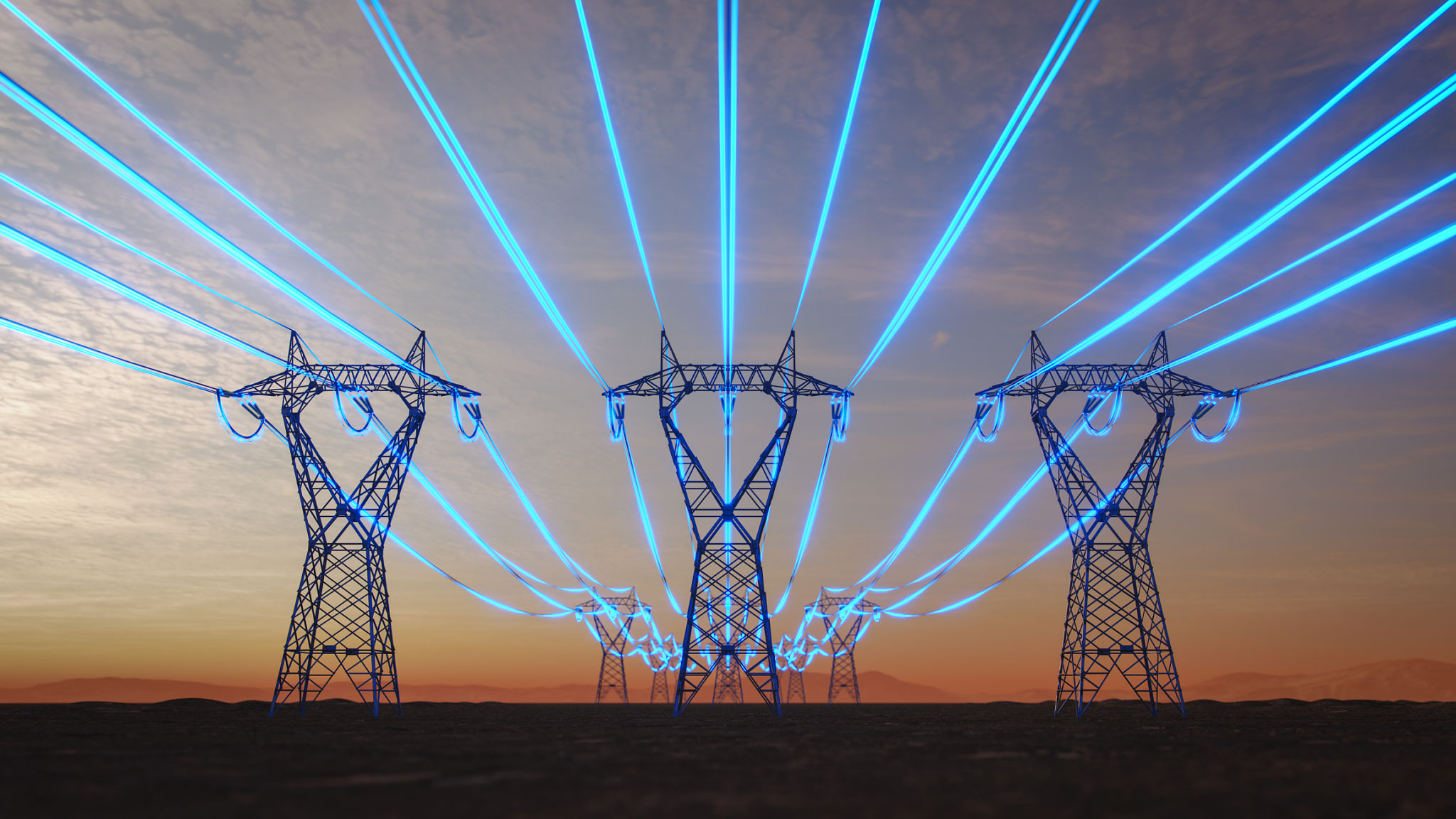
One of the first steps in outdoor electrical installation is choosing the appropriate wiring material. Copper and aluminum are commonly used due to their conductivity and durability. While copper is more expensive, it offers superior conductivity and flexibility, making it a preferred choice for many professionals.
Aluminum, on the other hand, is lightweight and cost-effective, though it requires careful installation to avoid issues like oxidation. For outdoor use, it's essential to choose wires that are rated for wet conditions and are UV-resistant to withstand the sun’s rays.
Types of Outdoor Electrical Wiring
There are several types of wiring solutions suitable for outdoor installations. Underground Feeder (UF) cables are popular for their ability to be buried directly in the ground without additional protection. These cables are moisture-resistant, making them ideal for wet environments.
Conduit Wiring Systems
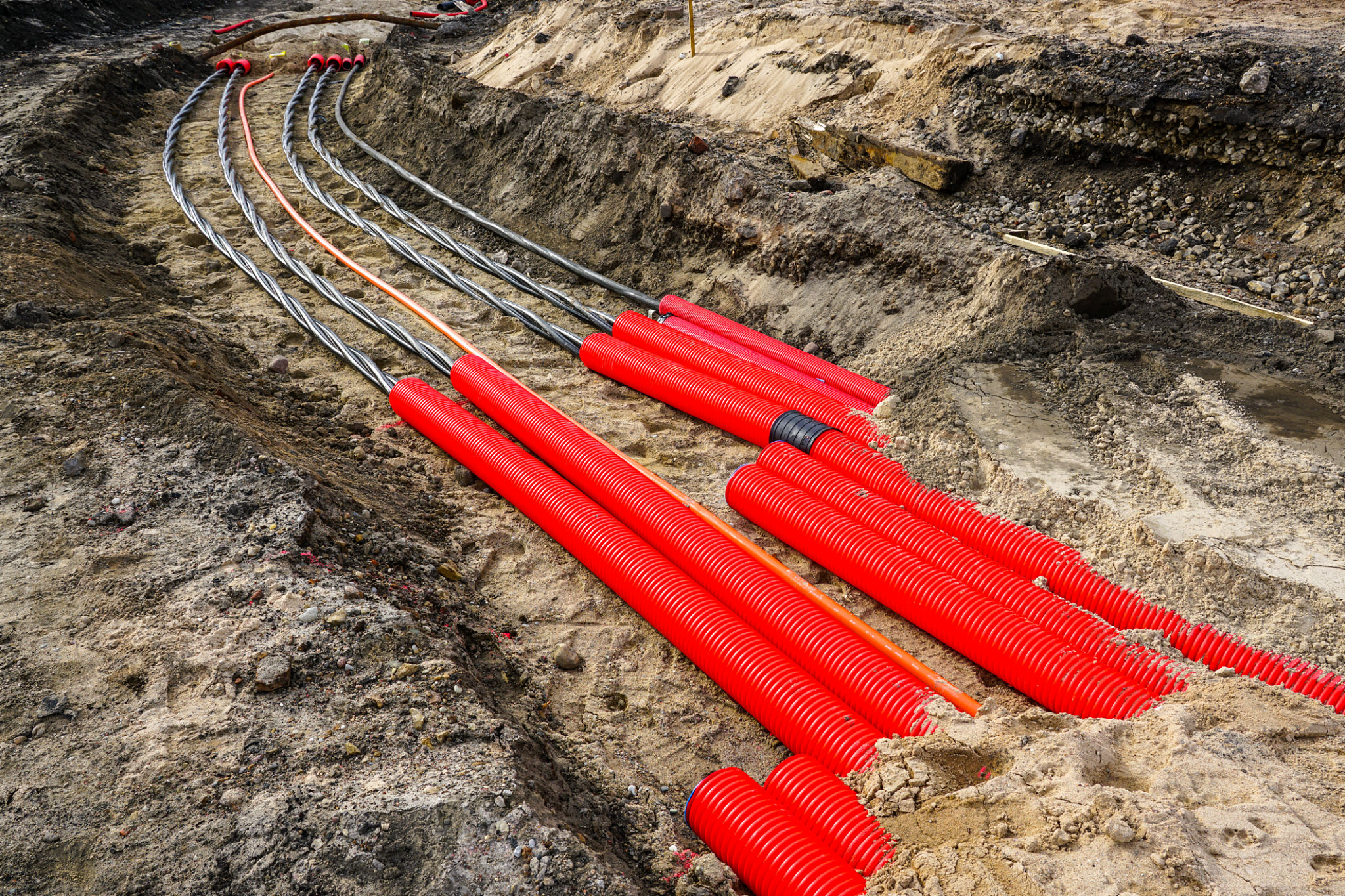
Conduit wiring systems offer enhanced protection for outdoor electrical installations. By enclosing the wires in metal or plastic tubes, conduits shield against physical damage and moisture. Rigid Metal Conduit (RMC) and Polyvinyl Chloride (PVC) Conduit are common choices. RMC provides excellent durability and grounding, while PVC is lightweight and corrosion-resistant.
- RMC: Best for high-impact areas
- PVC: Ideal for areas with high moisture
Installation Best Practices
Proper installation is key to ensuring the longevity and safety of outdoor electrical systems. Always follow local building codes and regulations, which dictate specific requirements for outdoor wiring. It’s advisable to hire a licensed electrician to handle complex installations.
Regular Maintenance and Inspection
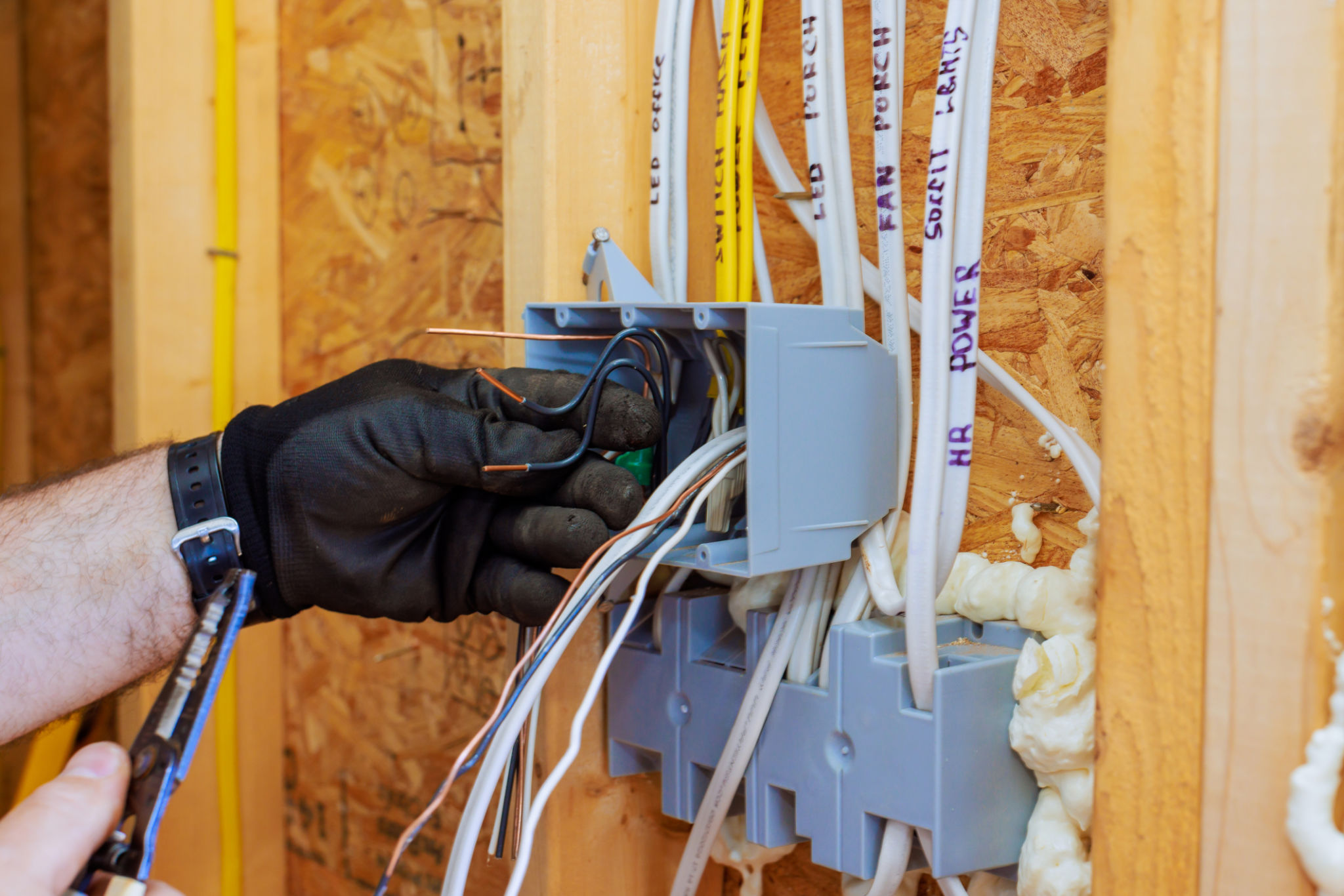
Regular maintenance and inspection are crucial for outdoor electrical systems. Check for signs of wear and tear, such as frayed wires or damaged conduits. Address any issues promptly to prevent potential hazards. Scheduled maintenance can significantly extend the lifespan of your outdoor wiring.
In conclusion, selecting the right electrical wiring solutions for outdoor installations involves careful consideration of the environment and specific needs. By choosing appropriate materials, utilizing protective systems like conduits, and adhering to best practices, you can ensure a safe and efficient electrical setup.