
How to Prepare Your Yard for Artificial Grass: A Step-by-Step Tutorial


Why Choose Artificial Grass?
Artificial grass is an excellent choice for homeowners looking to reduce maintenance time and costs while maintaining a lush, green lawn year-round. It's durable, environmentally friendly, and ideal for high-traffic areas. Before you install artificial grass, it's crucial to properly prepare your yard to ensure a long-lasting and visually appealing outcome.
Assessing Your Yard
Surveying the Area
Start by surveying the area where you plan to install the artificial grass. Assess the soil type, drainage, and sunlight exposure. This information will guide your preparation process and help you choose the right type of artificial grass for your needs.
Clearing the Space
Remove any existing grass, plants, rocks, and debris from the area. Use a shovel or a sod cutter for more extensive spaces to ensure a clean, flat surface. Removing all plant life helps prevent weeds from growing through your artificial grass.

Preparing the Base
Leveling the Ground
Level the ground to create an even surface. Fill in any holes or low spots with soil, compacting it to provide a stable foundation. An uneven base can lead to bumps and uneven wear in the artificial grass.
Installing a Weed Barrier
Lay down a weed barrier fabric over the prepared surface. This step helps prevent weed growth, ensuring your artificial grass remains pristine and low-maintenance. Secure the fabric with landscape staples to keep it in place.

Adding the Base Layer
Spread a layer of crushed stone or gravel over the weed barrier. This base layer should be about 2 to 4 inches thick, providing excellent drainage and stability. Compact the material with a plate compactor, creating a solid, even surface.
Installing the Artificial Grass
Rolling Out the Turf
Unroll your artificial grass carefully, ensuring the fibers all face the same direction for a natural look. Allow the grass to settle for a few hours, which helps it adjust to the base and reduces any wrinkles or creases.
Securing the Edges
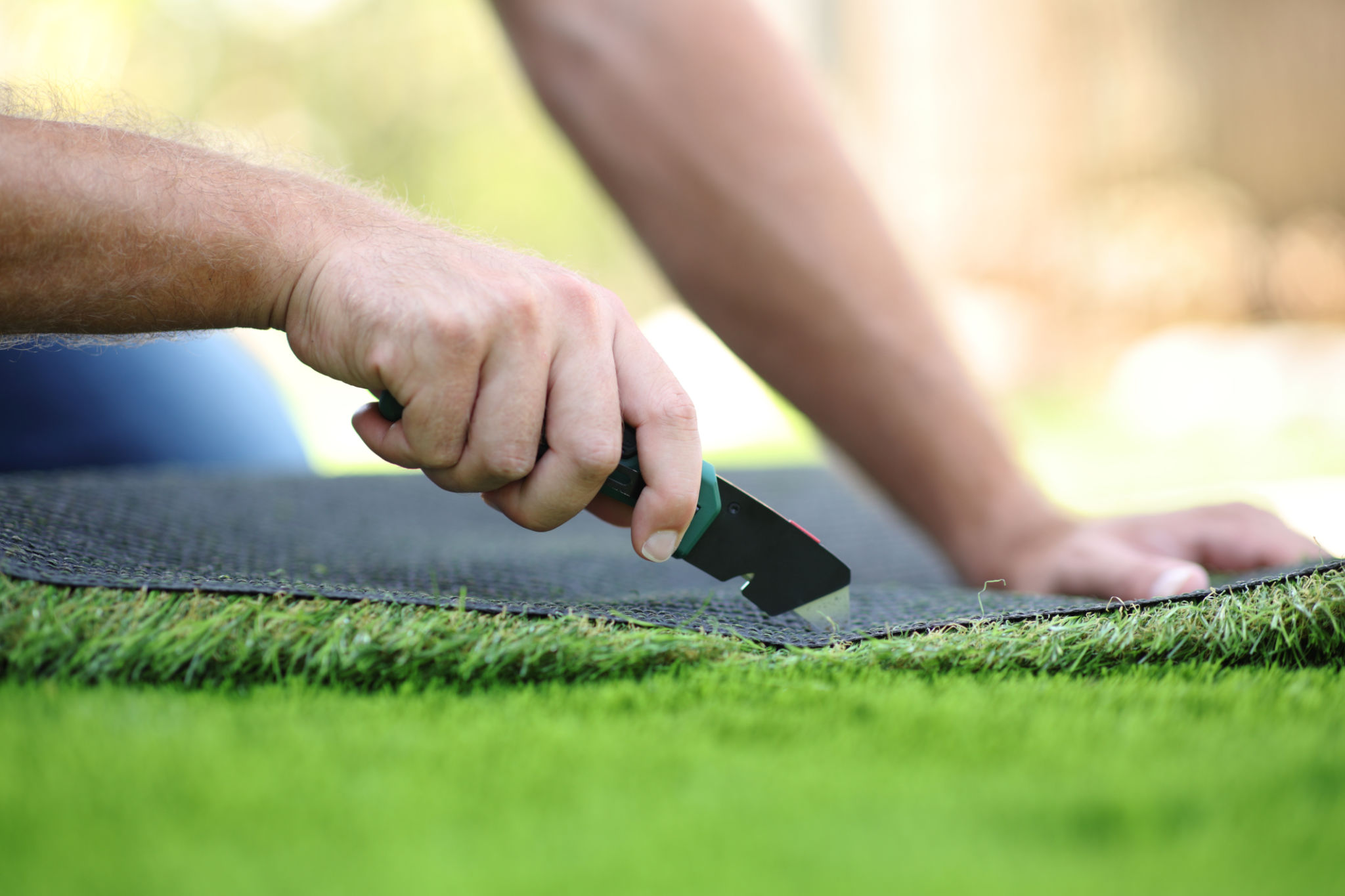
Trim the edges to fit your space, leaving a slight overhang to adjust later if needed. Use landscape nails or staples every 6 inches along the perimeter to secure the grass, ensuring it stays in place.
Finishing Touches
Brush the grass fibers with a stiff broom to help them stand upright and to distribute the infill evenly. The infill, such as sand or rubber granules, adds weight and helps keep the grass blades upright.
Regular maintenance, such as brushing and rinsing, will keep your artificial lawn looking fresh and vibrant. With these steps, your yard will be ready to enjoy with minimal upkeep.