
How to Prepare Your Lawn for Artificial Grass Installation


Understanding the Basics
Installing artificial grass is a great way to ensure your lawn looks lush and green all year round with minimal maintenance. However, the success of this transformation largely depends on how well you prepare the ground beforehand. Proper preparation ensures a smooth and durable surface, preventing issues like unevenness or weed growth.

Clearing the Area
The first step in preparing your lawn for artificial grass installation is to clear the area thoroughly. Begin by removing any existing natural grass, weeds, and debris. You can use a sod cutter or a spade for this task. It's crucial to ensure that all plant material is removed down to the root level to prevent regrowth.
Once the area is clear, inspect for any large rocks or other obstacles that might disrupt the smooth laying of artificial turf. These should be removed to ensure a flat surface.
Ensuring Proper Drainage
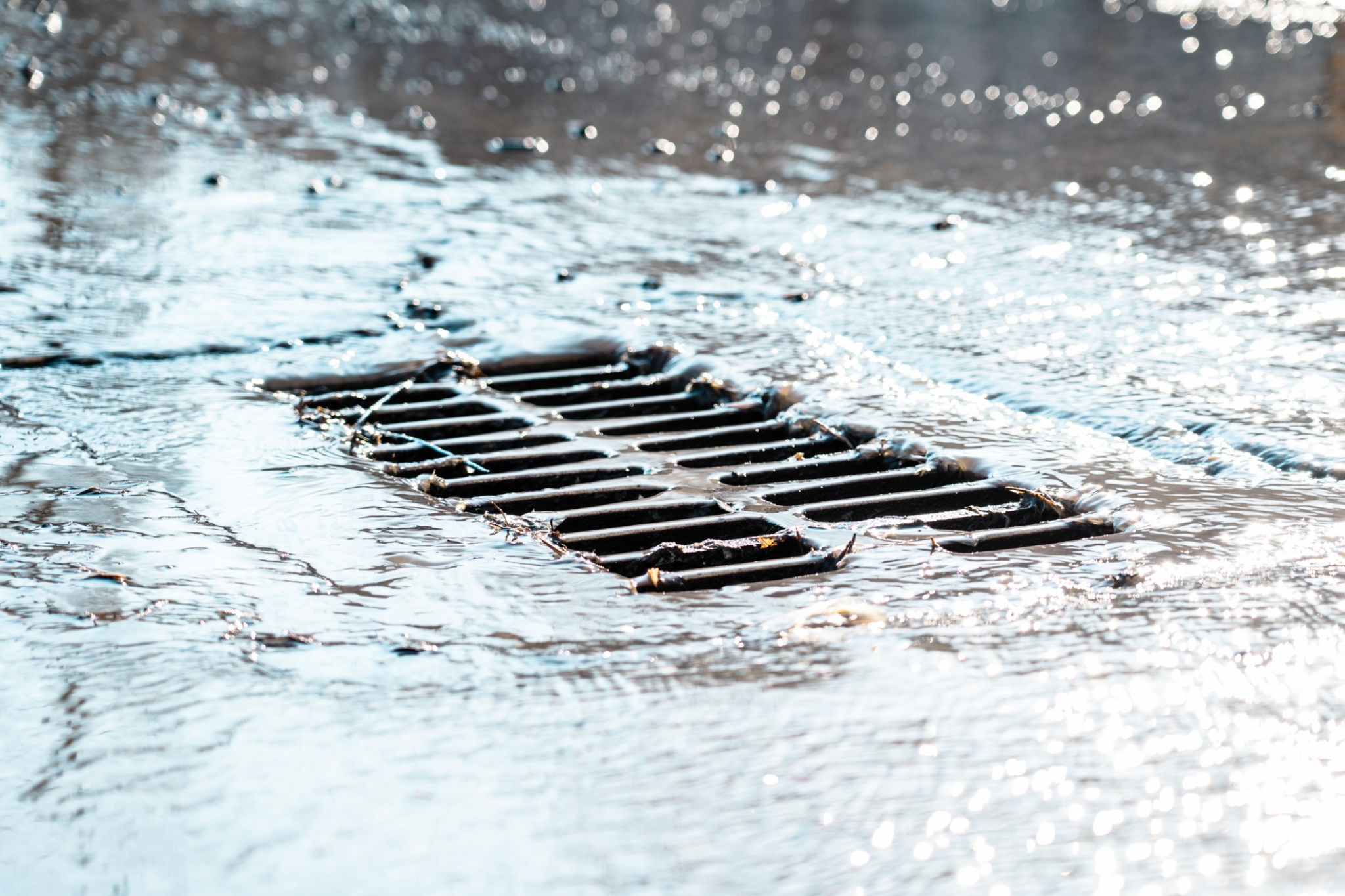
Good drainage is vital for the longevity and performance of artificial grass. If your lawn area tends to hold water, address this issue before installation. You may need to install a drainage system or improve the soil's absorption by adding a layer of sand or gravel.
Testing the drainage by pouring water over the area can help identify problem spots. Correcting these early will prevent water pooling and potential damage to your artificial grass.
Leveling the Ground
Once the area is cleared and drainage issues are addressed, it's time to level the ground. Use a landscaping rake to even out the surface, eliminating any bumps or depressions. A level surface ensures that the artificial grass sits correctly and looks natural.
For more precision, consider using a lawn roller or renting a mechanical compactor to compact the soil. This step helps in creating a firm foundation that supports the artificial grass effectively.
Adding a Base Layer
The next step involves creating a stable base layer for your artificial grass. Typically, a mixture of crushed stone or gravel is used for this purpose. Spread a 2-3 inch layer evenly across the prepared area and compact it thoroughly using a plate compactor for stability.
This base layer not only provides stability but also enhances drainage capabilities, ensuring that water passes through easily without pooling on the surface.

Installing Weed Barrier
To prevent unwanted plant growth beneath your artificial grass, installing a weed barrier is essential. Lay down a geotextile fabric across the entire area, securing it with landscape staples. This step helps maintain the pristine condition of your artificial lawn by blocking weed growth effectively.
Final Touches Before Installation
Before laying your artificial grass, double-check all preparations. Ensure that the base is compacted well, and the weed barrier is securely in place. Take measurements of your lawn area to ensure that you have enough artificial turf to cover it completely, with a little extra for adjustments.
With everything in place, you’re now ready for the exciting part—installing your artificial grass. Proper preparation ensures that this final step goes smoothly, resulting in a beautiful and low-maintenance lawn.