How to Prepare Your Backyard for Summer with Artificial Grass


Assess Your Space
Before installing artificial grass, it's crucial to evaluate your backyard's layout and dimensions. Consider the areas where you want to install the turf and any existing features like trees, flower beds, or pathways that should remain untouched. This assessment will help you determine how much artificial grass you'll need and any adjustments necessary for a seamless installation.
Take note of the drainage system in your backyard. Proper drainage is essential to prevent water accumulation, which can affect the longevity and appearance of artificial grass. Ensure that the ground is appropriately sloped to allow for efficient water runoff.
Selecting the Right Artificial Grass
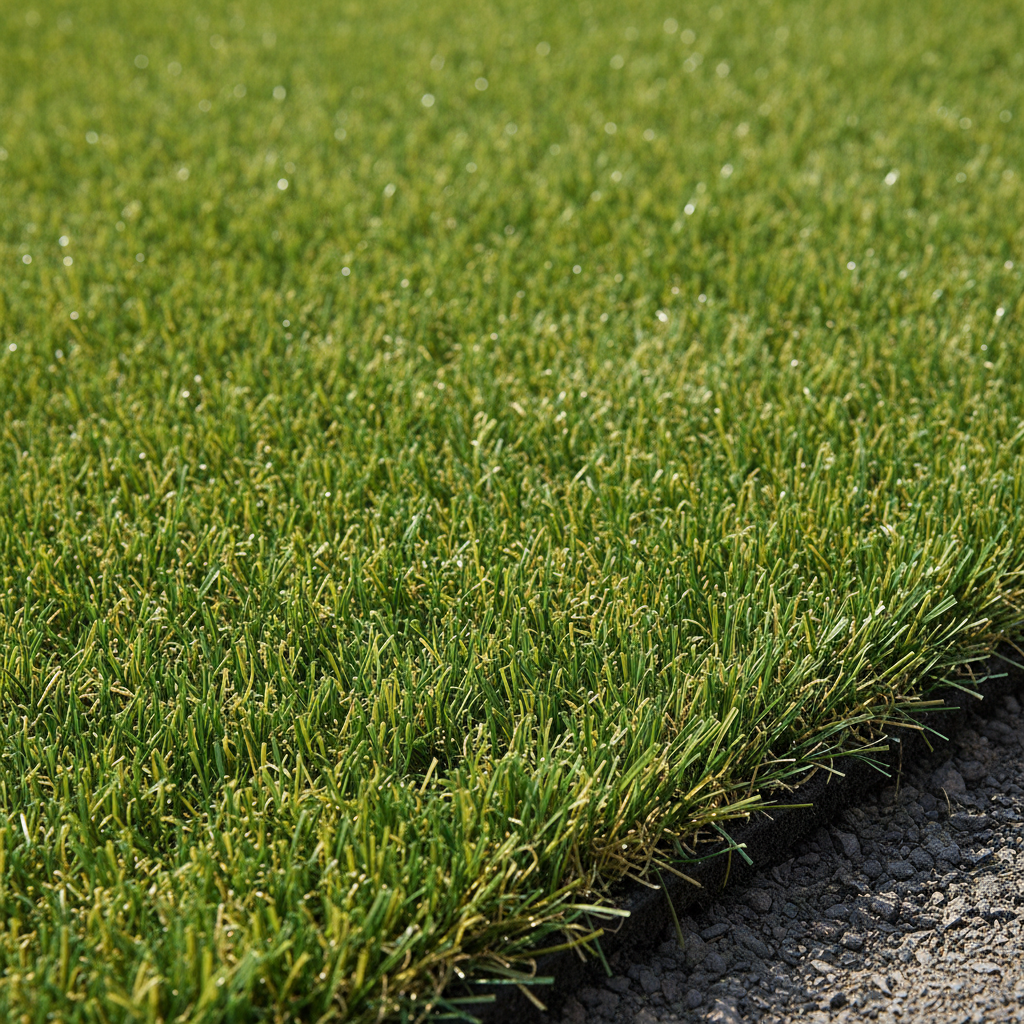
Choosing the right type of artificial grass is a key step in preparing your backyard. Consider factors such as texture, color, and durability. Some varieties mimic the look of natural grass more closely, while others offer enhanced durability for high-traffic areas.
Pay attention to the pile height and density of the grass. A shorter pile height may be more suitable for areas with heavy foot traffic, while a longer pile might be ideal for a lush, natural appearance. Opt for UV-resistant materials to ensure the grass maintains its color and integrity under the summer sun.
Preparing the Ground
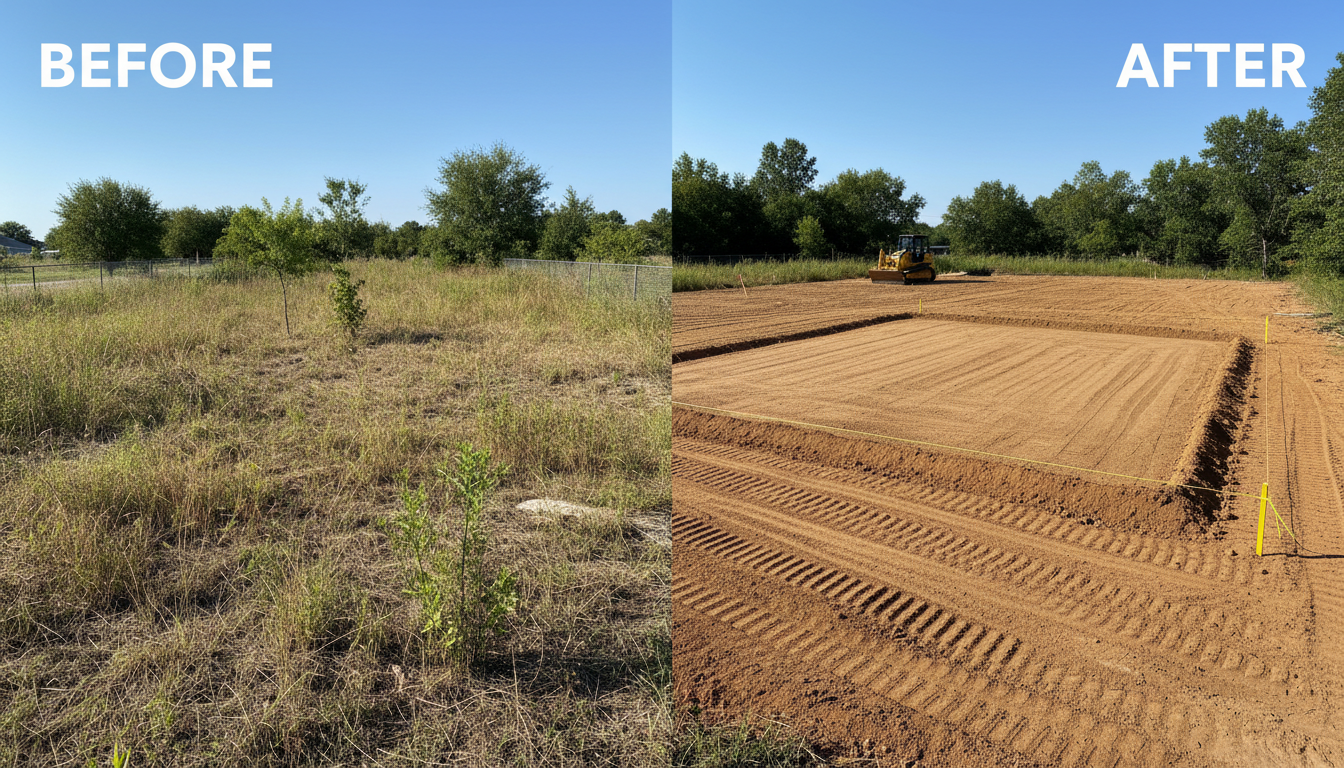
Before laying down artificial grass, proper site preparation is essential. Start by removing any existing grass, rocks, and debris from the area. This will create a clean, level surface for installation. Use a tiller to loosen the soil, which will improve drainage.
Next, install a weed barrier to prevent unwanted growth beneath the artificial turf. A layer of crushed stone or gravel can be added to promote drainage and stability. Compact this base layer to ensure it’s level and firm.
Installation Process
Once the ground is prepared, it's time to install the artificial grass. Begin by rolling out the turf and letting it sit for a few hours to acclimate to the environment. This will help reduce wrinkles and creases.
Cut the grass to fit the area, making sure the edges align neatly with your landscape features. Secure the turf with landscaping nails or staples around the perimeter. Use a power brush to lift the grass fibers and distribute infill material evenly. This will also help keep the blades upright and enhance the natural look.
Finishing Touches
After installation, inspect the entire area to ensure everything is secure and looks natural. Trim any excess grass along edges and seams for a polished finish. If needed, add more infill to maintain the structure of the grass fibers.
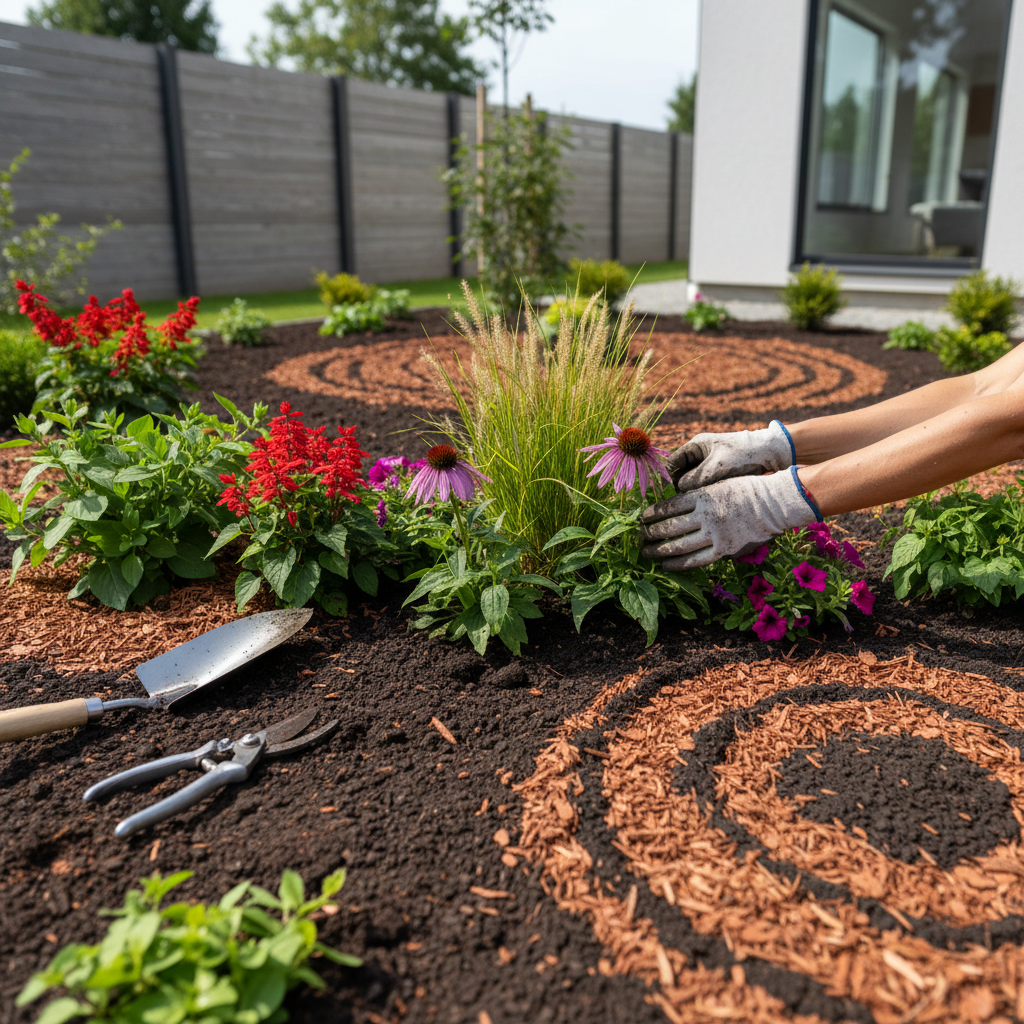
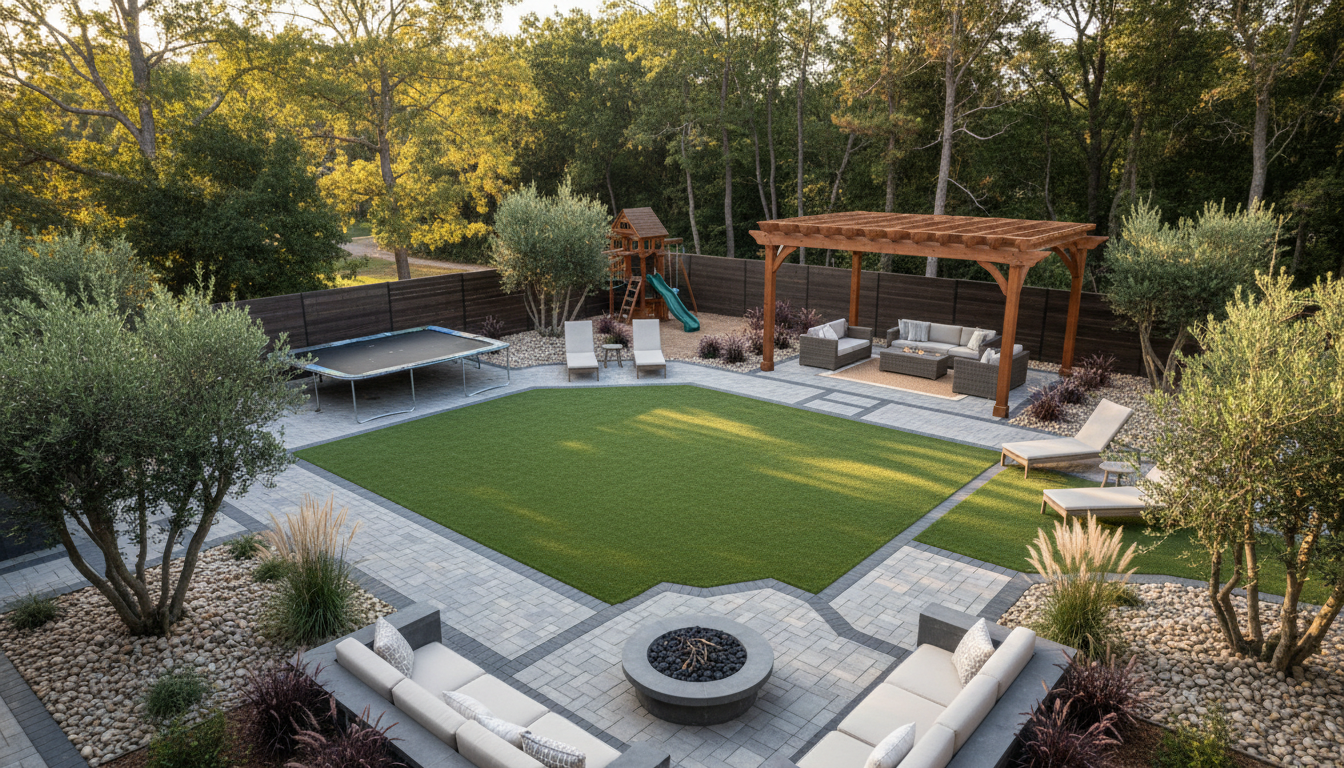
Consider adding decorative elements like potted plants or garden furniture to enhance the aesthetic appeal of your new backyard. These additions can provide color and texture, complementing the fresh look of your artificial grass.
Maintaining Your Artificial Grass
Artificial grass requires minimal maintenance compared to natural lawns. Regularly remove leaves and debris using a leaf blower or rake with soft tines. Rinse the surface occasionally to remove dust and pollen.
For pet owners, it's important to promptly clean up any waste and rinse the area to prevent odors. In high-traffic areas, redistribute infill as needed to maintain the grass's appearance and function.