Fence Installation in Florida: Which Material Is Best for Your Property?


Vinyl, wood, aluminum? Find the right balance of privacy, curb appeal and long-term care.
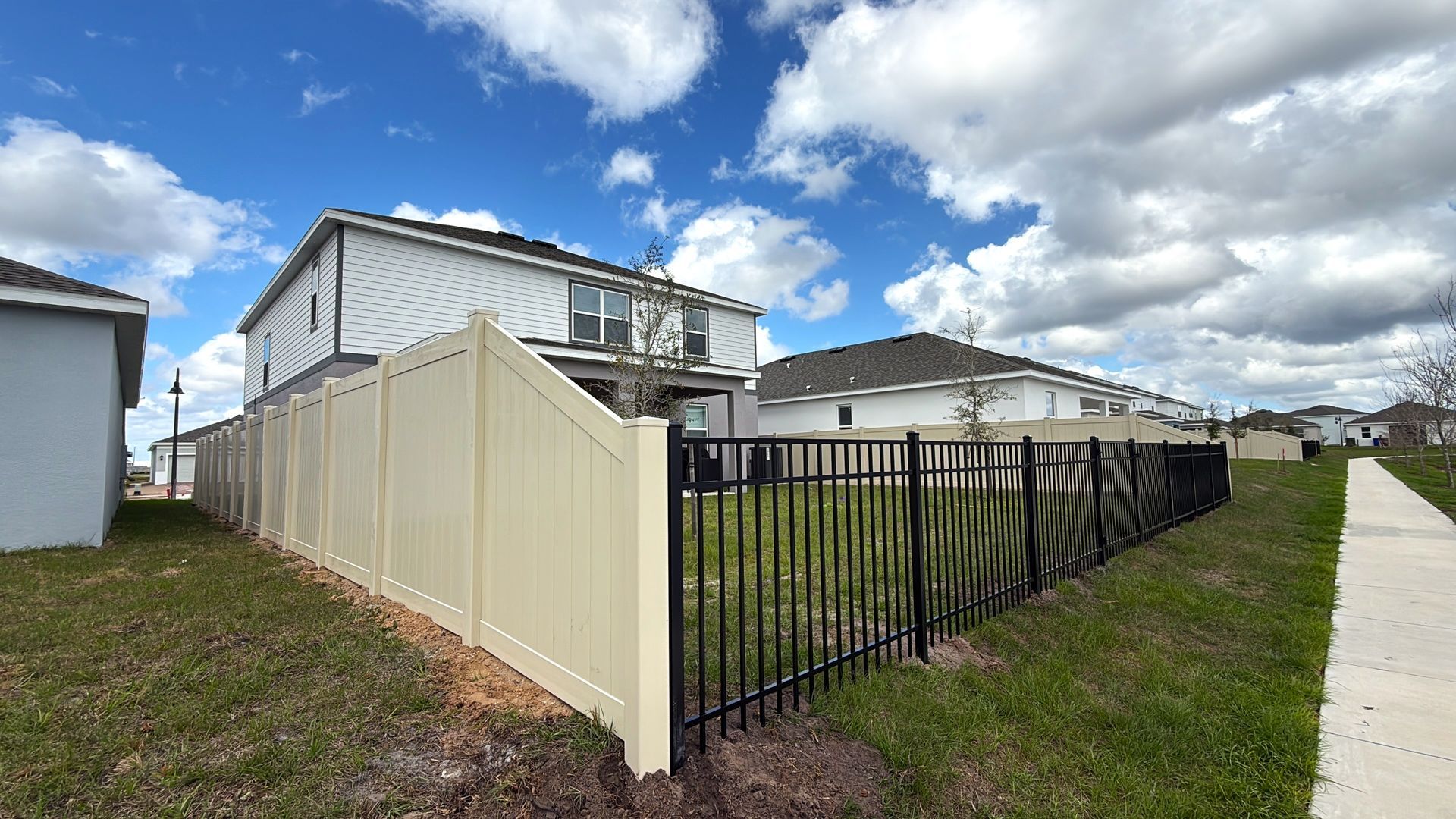
The best fence starts with how you want to use your property. Choose vinyl for solid privacy with less upkeep, wood for natural character, aluminum for an open, elegant boundary, or chain link for practical perimeter fencing.
A fence helps shape the way your outdoor space feels. It can make a patio more private, frame a landscaped yard or define an area for pets. For homeowners in Orlando and Central Florida, the right choice should also account for sun, moisture, storm exposure and the time you want to spend on maintenance.
Before choosing a material, decide what matters most: screening neighboring properties, preserving a view, complementing your home or enclosing a larger area.
1. Vinyl Fencing: Privacy With a Polished Look
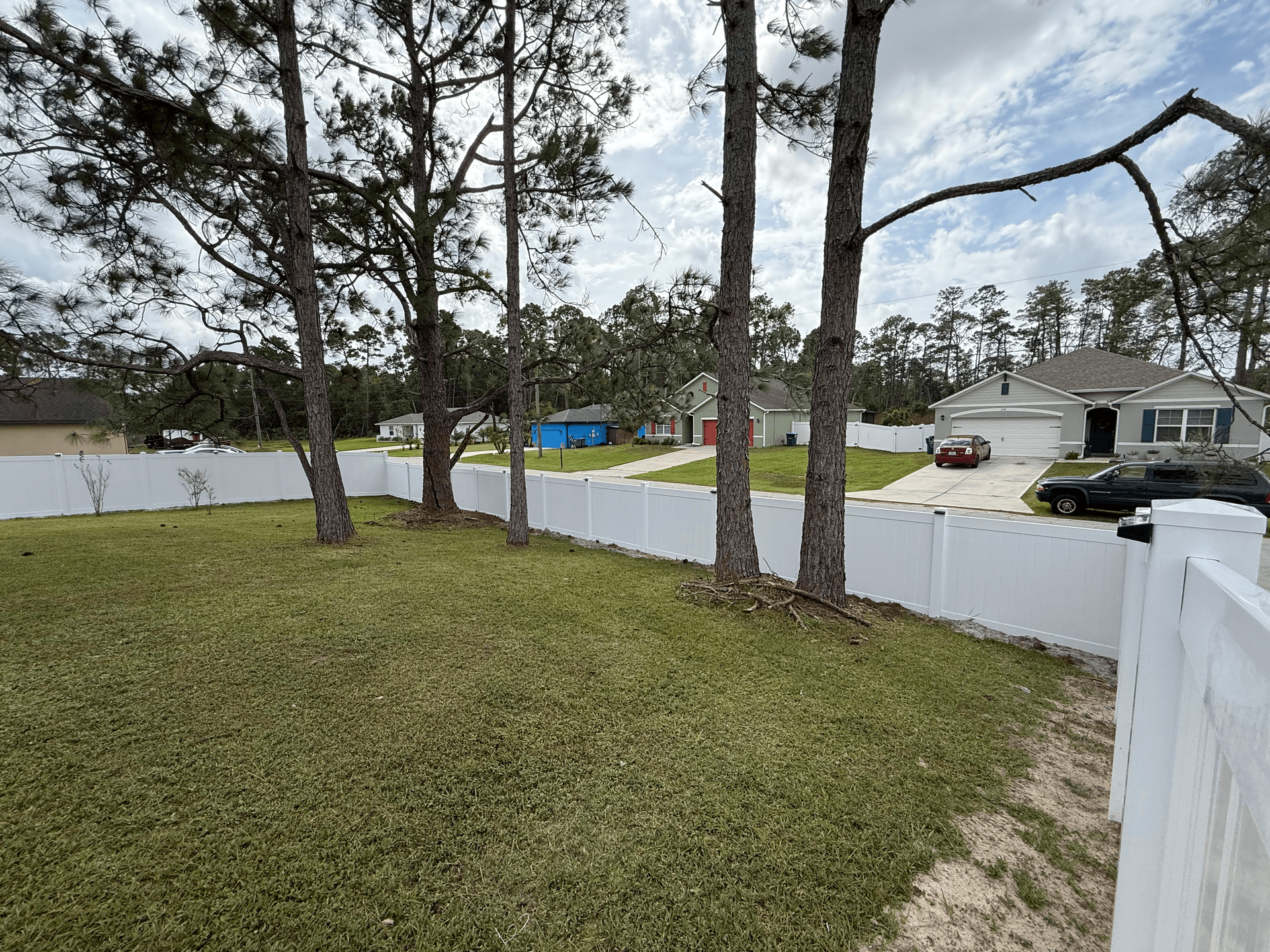
Vinyl is a strong starting point when you want to screen a patio or backyard with a consistent, finished appearance. Solid-panel styles create privacy, while picket and semi-private styles offer a more open effect.
Advantages
Vinyl does not need routine staining or painting. Its clean lines work well alongside pavers and landscaped areas, making it a natural option for a coordinated outdoor renovation.
Maintenance and trade-offs
Low maintenance still means occasional cleaning. Use a hose, mild soap and a soft cloth or brush according to the manufacturer’s care instructions. Inspect gates and hardware, and avoid abrasive cleaning methods.
Damaged panels may require replacement rather than a simple touch-up.
Consider vinyl if: Privacy and a tidy appearance matter more to you than the texture of natural wood.
2. Wood Fencing: Natural Character and Customization
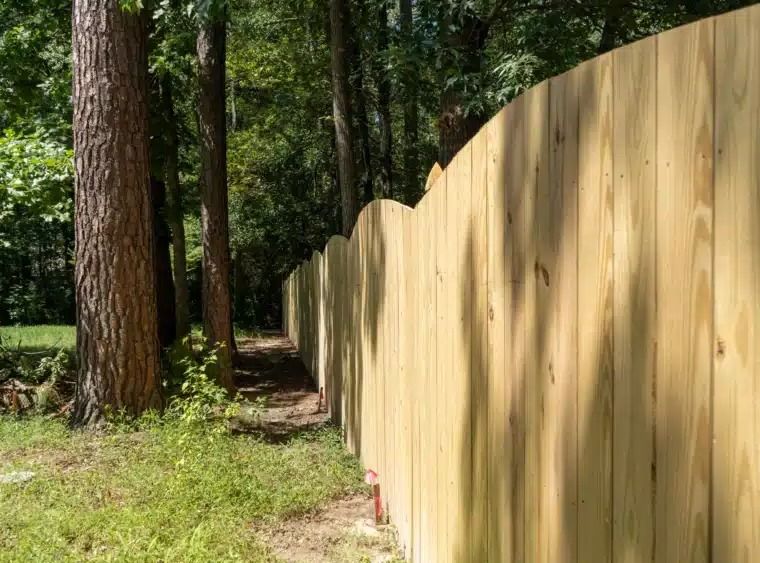
Wood brings warmth to a garden and gives you flexibility in board layout and finish. It can suit traditional homes, planted courtyards and outdoor spaces where a natural material is part of the design.
Advantages
Different board arrangements can provide varying levels of privacy. Individual boards can often be replaced, and stain or paint offers opportunities to coordinate the fence with your home.
Maintenance and trade-offs
Wood changes as it absorbs and loses moisture. Inspect for loose fasteners, splitting, warping and deterioration.
Keep vegetation and accumulated debris away, and maintain the protective finish according to the wood and coating manufacturer’s instructions. A lower initial price can come with more ongoing care.
Consider wood if: You value natural texture and are comfortable maintaining its finish.
3. Aluminum Fencing: Open Views and Defined Edges
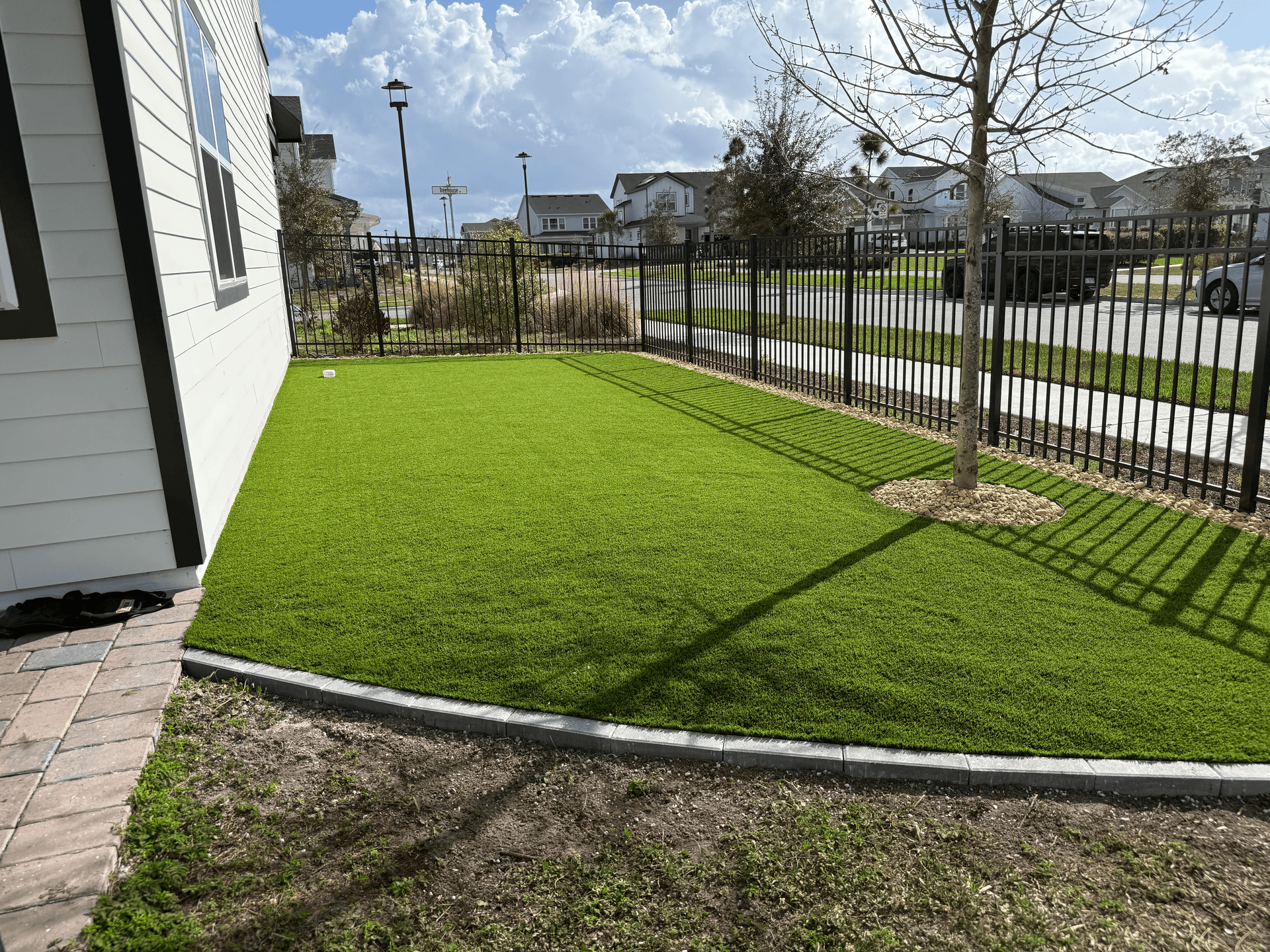
Ornamental aluminum defines a boundary without visually closing in the landscape. It is an appealing choice when you want to preserve a garden view or complement contemporary architecture.
Advantages
Aluminum does not develop the red rust associated with iron. A factory-finished system offers a neat appearance with less routine refinishing than wood.
Maintenance and trade-offs
Rinse off dirt and residue, check hinges and latches, and address coating damage using the manufacturer’s guidance.
Aluminum is not immune to corrosion or impact damage. Standard open-picket designs provide little visual privacy.
Consider aluminum if: An airy, elegant boundary is your priority. For a pool, the full fence and gate system must meet applicable barrier requirements; material alone does not establish compliance.
Plan Beyond the Price per Foot
Compare complete scopes of work. An estimate should make clear the material and height, fence length, gate sizes, removal work and site preparation.
Ask how installation details and maintenance requirements apply to the specific product being proposed.
Confirm the layout
Review property lines, easements, drainage and access before placing posts. The fence should work with the way you move through and use your outdoor space.
Check local and HOA requirements
Rules vary by jurisdiction and property. In the City of Orlando, some residential fences are permit-exempt, but they must still meet city code. Pool barriers and other listed conditions require permits.
Confirm any HOA requirements before finalizing the material, height, color and layout.
Discuss storm exposure
No material name makes a fence hurricane-proof. Ask about the specified system, anchoring and applicable wind requirements.
Think about the whole yard
Coordinate fence style with pavers, planting and turf so the finished space feels intentional. A fence can provide the backdrop that brings an outdoor renovation together.
Frequently Asked Questions
- Which material is best for a private backyard?
Solid vinyl and wood designs are useful starting points. Choose between the look you prefer, the care you are willing to provide and the styles allowed on your property. - Which fence needs the least maintenance?
Vinyl and finished aluminum generally require less routine upkeep than wood. Both still need cleaning, inspections and attention to gates and hardware. - Which fence is best for Florida storms?
There is no universal winner. Fence design, exposure, installation and product specifications matter together. Ask for a system suited to your site rather than relying on a “hurricane-proof” claim. - Can I choose different materials for different areas?
It may make sense to use a privacy design beside a patio and an open fence where a view matters. Confirm transitions, local restrictions and HOA approval before finalizing the layout.
A Fence That Fits Your Home. A Plan That Fits Your Space.
Green Valley Multiservice installs vinyl, wood and aluminum fencing in Orlando and Central Florida. Tell us about your property, your preferred style and how you want to use your yard.
Send your city, approximate fence length and a few photos to start the conversation. We’ll help you explore options and coordinate a free on-site estimate.