Comparing Decorative Rock vs. Traditional Landscaping


Introduction to Landscaping Options
When it comes to enhancing the aesthetic appeal of your outdoor spaces, choosing the right landscaping materials is crucial. Two popular choices are decorative rock and traditional landscaping. Each offers unique benefits and considerations. Understanding these can help you make an informed decision that aligns with your vision and practical needs.

Benefits of Decorative Rock
Decorative rock is a versatile landscaping element that offers several advantages. One of the primary benefits is its low maintenance nature. Unlike traditional landscaping options that may require regular watering and pruning, rocks need minimal care. This makes them an excellent option for those looking to save on time and resources.
Another advantage is the durability of decorative rocks. They withstand harsh weather conditions, from intense heat to heavy rainfall, without losing their visual appeal. Moreover, decorative rocks are available in a wide variety of colors, shapes, and sizes, allowing for creative and personalized landscaping designs.
Advantages of Traditional Landscaping
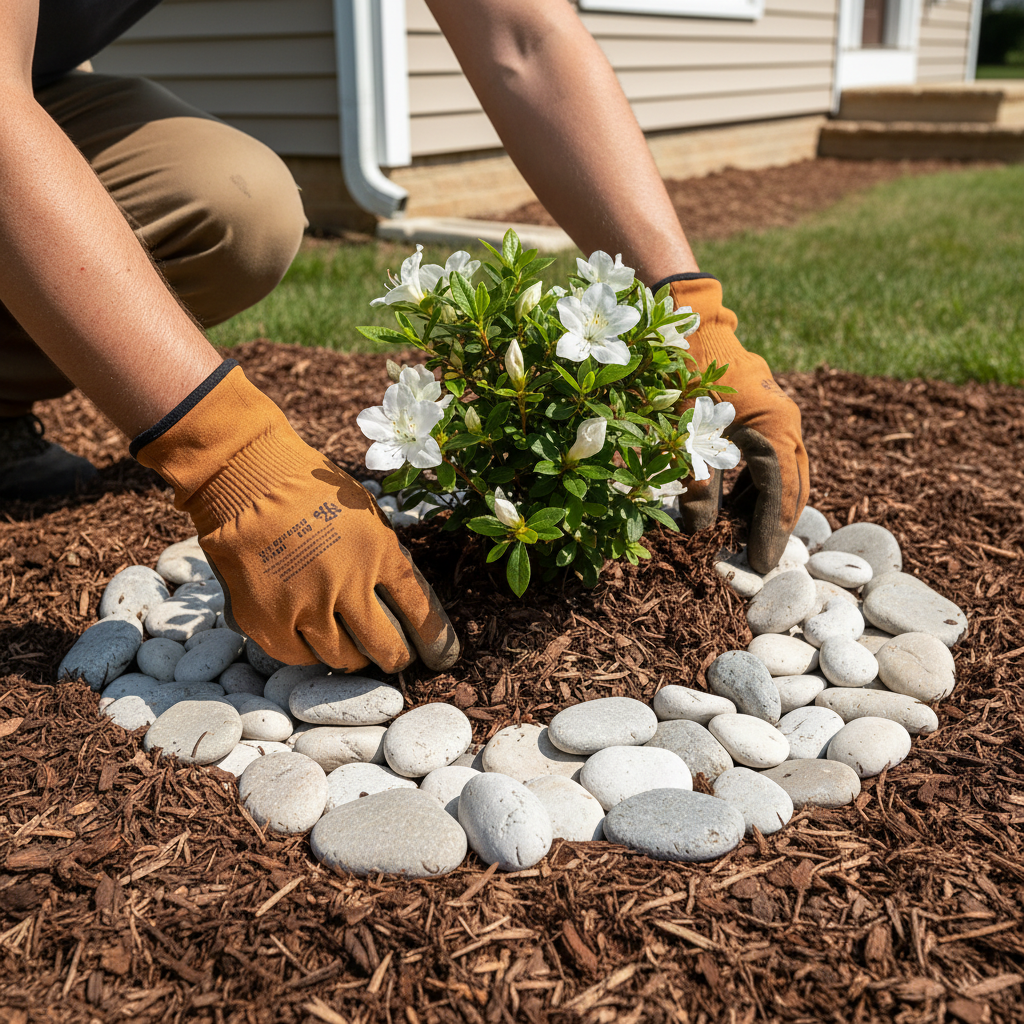
Traditional landscaping, which often includes grass, shrubs, and flowers, brings its own set of benefits. For many, the allure of a lush, green lawn is incomparable. Natural plants can create a serene and inviting atmosphere, making outdoor areas more enjoyable.
Additionally, traditional landscaping offers environmental benefits. Plants and grass contribute to improved air quality by absorbing carbon dioxide and releasing oxygen. They also provide necessary habitats for local wildlife, promoting biodiversity.
Cost Considerations
Cost is a significant factor when deciding between decorative rock and traditional landscaping. Initial expenses for decorative rocks can be higher due to the cost of materials and installation. However, the long-term savings from reduced maintenance can offset these initial costs.
Traditional landscaping may have lower upfront costs, but ongoing expenses such as watering, fertilizing, and mowing can add up over time. It's essential to consider both initial and long-term expenses when planning your landscaping project.
Environmental Impact
Both decorative rock and traditional landscaping have distinct environmental impacts. Rocks reduce water usage, which can be a significant advantage in drought-prone areas. However, they do not contribute to the local ecosystem in the same way plants do.
On the other hand, traditional landscaping supports local flora and fauna but may require more water and chemical inputs. Balancing these factors is crucial for environmentally conscious homeowners.

Design Flexibility
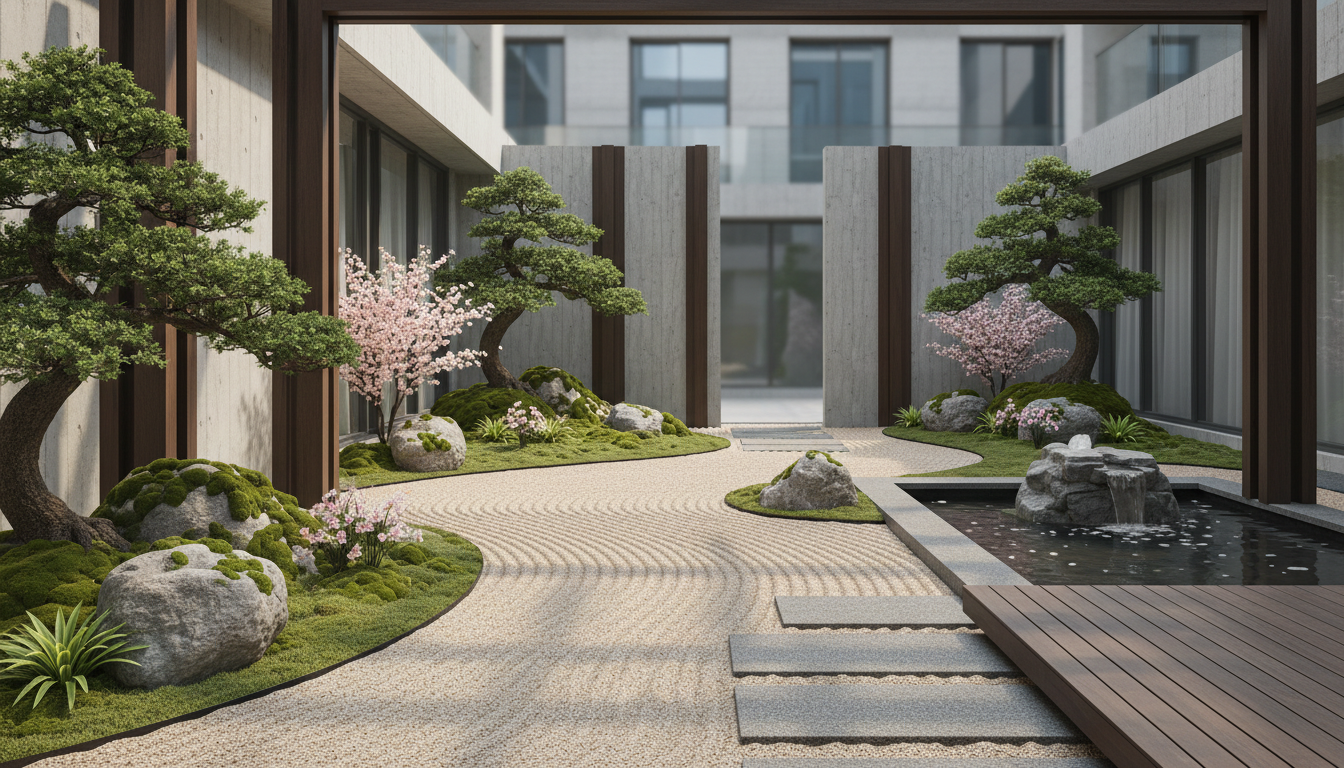
Decorative rock provides a high degree of design flexibility. You can create intricate patterns and designs that complement your home's architecture and personal style. Rocks can be used to define pathways, create focal points, or even as mulch alternatives.
Traditional landscaping offers its own variety, with countless plant species and garden styles to choose from. Whether you prefer a formal garden or a wildflower meadow, traditional landscaping can be customized to fit your preferences.
Conclusion
Choosing between decorative rock and traditional landscaping depends on your specific needs, preferences, and environmental considerations. While decorative rocks offer low maintenance and durability, traditional landscaping provides natural beauty and ecological benefits. Consider your priorities and long-term vision to make the best choice for your outdoor space.