
Common Myths About Artificial Grass Debunked


Introduction to Artificial Grass Myths
Artificial grass has become increasingly popular in recent years, thanks to advancements in technology and a growing interest in sustainable landscaping solutions. Despite its many benefits, several myths persist about artificial grass that may cause potential users to hesitate. In this article, we aim to debunk some of the most common myths surrounding artificial grass.
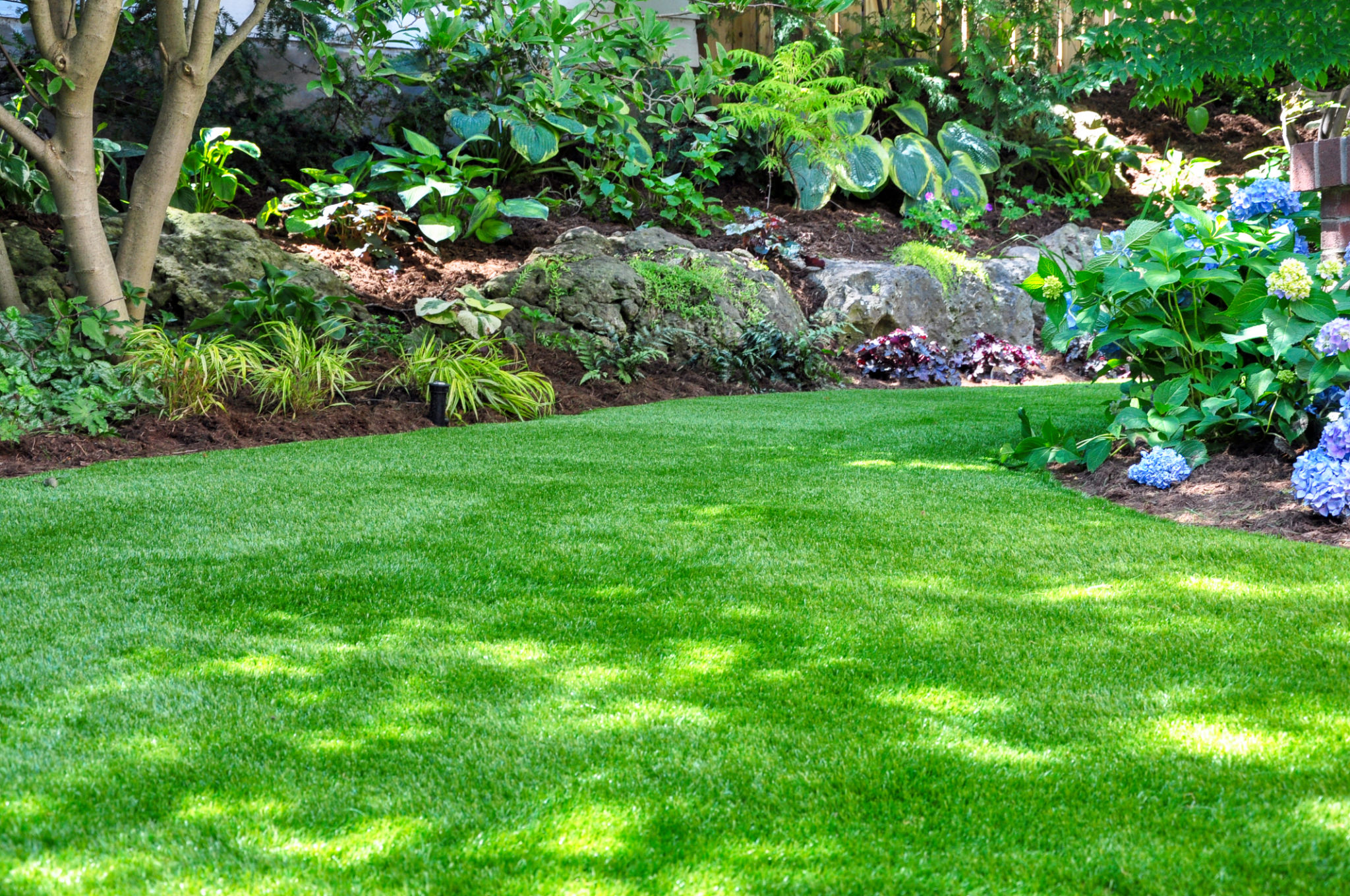
Myth 1: Artificial Grass Looks Fake
A common misconception is that artificial grass appears unrealistic or overly synthetic. However, modern advancements have allowed manufacturers to produce high-quality turf that closely mimics the look and feel of natural grass. The variety of colors, textures, and pile heights available today ensures that homeowners can choose artificial grass that blends seamlessly with their surroundings.
It's important to note that the quality of artificial grass varies among manufacturers. Investing in a reputable brand guarantees a more natural-looking product that enhances curb appeal and provides a lush, green lawn year-round.
Myth 2: Artificial Grass Is Harmful to the Environment
Another widespread myth is that artificial grass negatively impacts the environment. In reality, it can be a more sustainable choice compared to traditional lawns. Natural grass requires regular watering, fertilizers, and pesticides, which can contribute to water scarcity and pollution. In contrast, artificial grass eliminates the need for these resources, offering a low-maintenance alternative that conserves water and reduces chemical runoff.

Additionally, many manufacturers now produce artificial grass using recycled materials, further reducing its environmental footprint. By choosing artificial grass, homeowners can contribute to a more sustainable future.
Myth 3: Artificial Grass Is Uncomfortable
There is a belief that artificial grass is uncomfortable to walk or play on. While early versions of synthetic turf may have been less comfortable, today's products are designed with user comfort in mind. High-quality artificial grass features soft fibers and cushioning infill materials that provide a pleasant surface for various activities.
This modern turf can be used for everything from backyard play areas to sports fields, offering a safe and comfortable experience for all users.
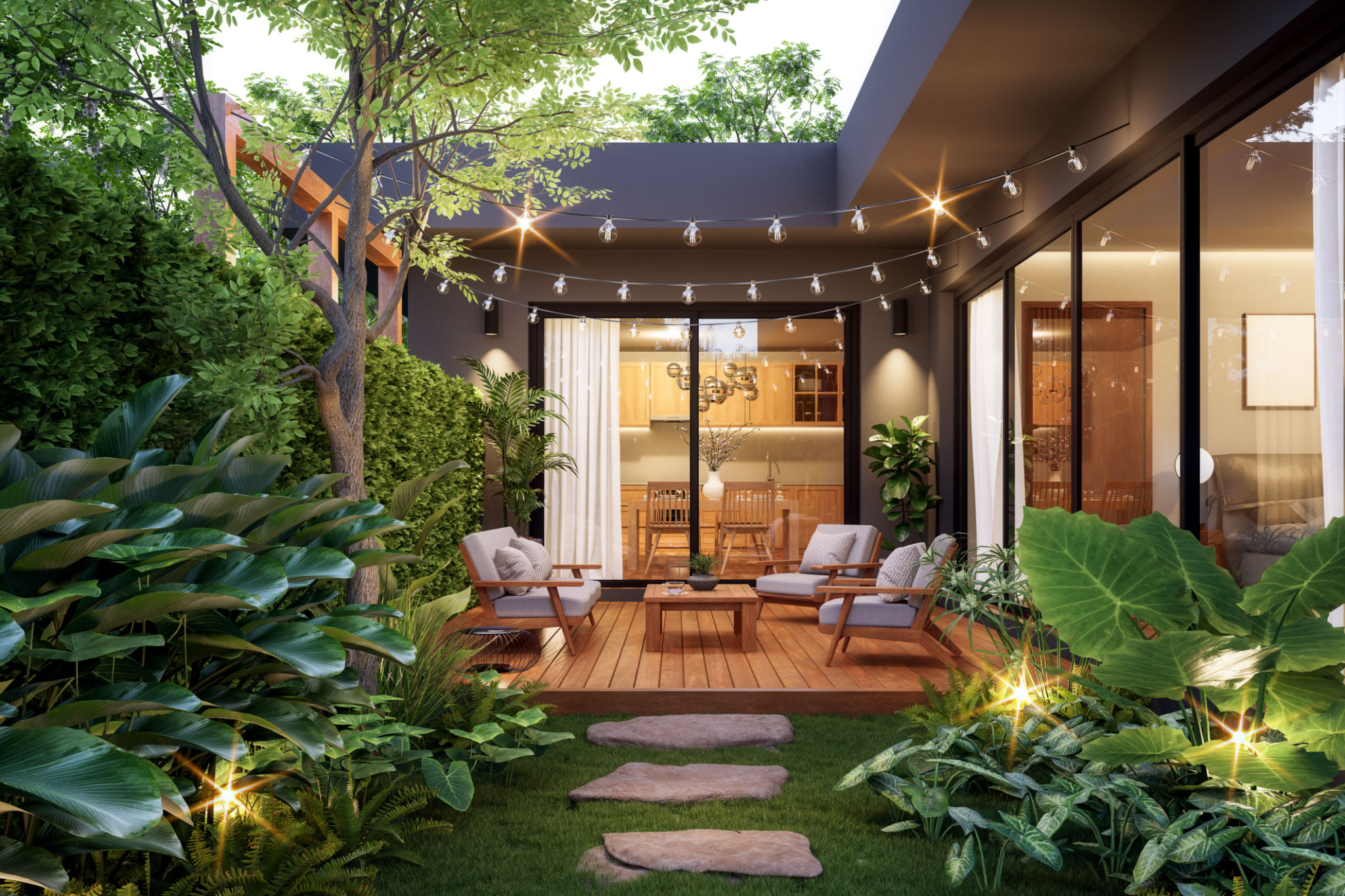
Myth 4: Artificial Grass Gets Too Hot
Some potential buyers worry that artificial grass becomes excessively hot under direct sunlight. While it is true that synthetic turf can get warmer than natural grass, manufacturers have developed solutions to mitigate this issue. Many modern artificial grass products incorporate cooling technologies or light-colored fibers that reflect sunlight, keeping the surface temperature more comfortable.
Additionally, strategically placing shade structures or selecting turf designed specifically for heat resistance can further enhance comfort in sunny climates.
Conclusion
Artificial grass offers numerous benefits, from reduced maintenance to environmental sustainability. By debunking these common myths, we hope to provide a clearer understanding of what modern artificial grass can offer. With proper research and selection, homeowners can enjoy beautifully landscaped spaces without the drawbacks often associated with natural lawns.