
Common Installation Mistakes to Avoid with Fences, Pavers, and Artificial Grass


Understanding the Basics of Fence Installation
Fences are an essential part of any property, providing privacy, security, and aesthetic appeal. However, improper installation can lead to numerous issues. One common mistake is neglecting to check local zoning laws and property lines. Without this step, you may end up with an incorrectly placed fence that could lead to legal disputes with neighbors or require costly reinstallation.
Another frequent error is failing to prepare the ground properly. Uneven ground can cause fences to be unstable and lead to sagging or leaning over time. It's crucial to level the area and ensure the posts are set at the correct depth for stability, especially in areas with high winds.
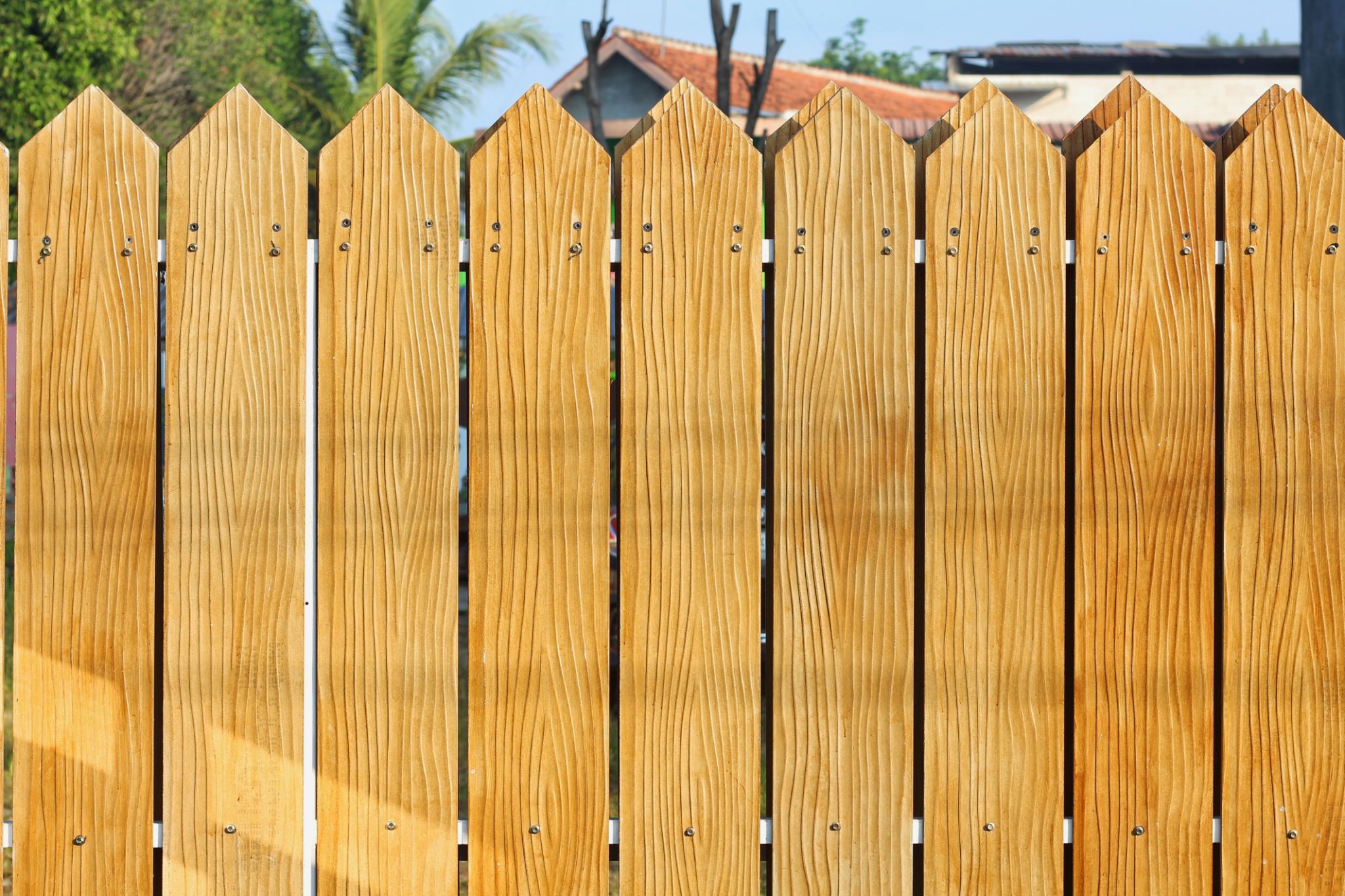
Choosing the Right Materials
Selecting the wrong materials for your fence can result in durability issues and increased maintenance. For instance, using untreated wood in humid climates can lead to rot and decay. It's important to choose materials that suit the local climate and your maintenance preferences, such as opting for vinyl or composite materials for low-maintenance options.
Additionally, make sure to use high-quality hardware like brackets and screws. Cheap materials can rust or fail over time, compromising the integrity of your fence. Investing in quality from the start can save you money and effort in the long run.
Paver Installation: Avoiding Common Pitfalls
Pavers are a popular choice for patios, walkways, and driveways due to their versatility and aesthetic appeal. However, many homeowners make the mistake of not preparing a proper base. A stable, well-compacted base is crucial for preventing shifting and settling, which can cause uneven surfaces and trip hazards.

It's also important to consider drainage when installing pavers. Without proper slope and drainage planning, water can accumulate on the surface, leading to erosion or damage. Make sure your installation allows for adequate water runoff to avoid these issues.
Using the Correct Sand and Spacing
The type of sand used between pavers is critical for their longevity. Using regular sand instead of polymeric sand can result in weed growth and shifting pavers. Polymeric sand hardens when wet, keeping pavers securely in place while preventing weed growth.
A common mistake is not leaving enough space between pavers. Proper spacing allows for expansion and contraction with temperature changes, preventing cracking and ensuring a long-lasting installation. Follow manufacturer guidelines for spacing to avoid future problems.
Avoiding Mistakes with Artificial Grass Installation
Artificial grass is an excellent low-maintenance alternative to natural grass, but improper installation can lead to unsatisfactory results. One common error is not addressing drainage issues before installation. Poor drainage can cause water pooling, leading to mold or unpleasant odors.

Ensure that the base is properly prepared with a slight slope for drainage. Additionally, using a weed barrier can prevent unwanted growth beneath your artificial lawn, keeping it looking pristine without additional maintenance.
Securing Edges and Seams
Failing to secure the edges and seams of artificial grass is another frequent mistake. Unsecured edges can lead to curling or lifting, while poorly joined seams can become visible over time. Use appropriate adhesives or joining tapes as recommended by manufacturers to ensure a flawless finish.
Lastly, remember to infill your artificial grass with sand or rubber granules as specified by the product guidelines. This step adds weight to the grass, ensuring it stays in place while providing a natural look and feel.