
Choosing the Right Fencing Material: Vinyl, Aluminum, or Wood?


Choosing the Right Fencing Material
When considering a new fence for your property, it's crucial to choose a material that fits your needs, budget, and aesthetic preferences. Among the most popular choices are vinyl, aluminum, and wood. Each of these materials offers distinct advantages and challenges. Understanding these can help you make an informed decision.
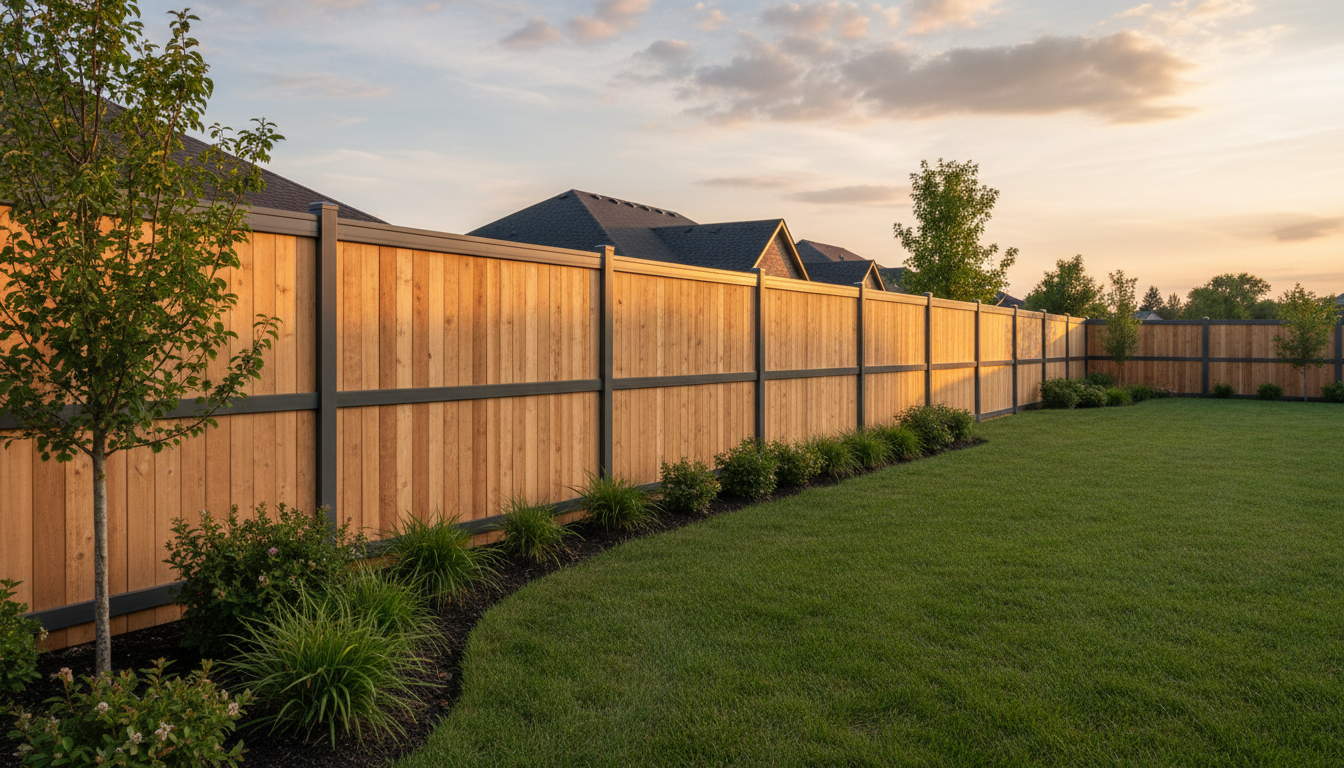
Vinyl Fencing: Low Maintenance and Versatile
Vinyl fencing is a popular choice for homeowners seeking a low-maintenance option. Unlike wood, vinyl does not require painting or staining and is resistant to pests and rot. This makes it an excellent choice for those who want a long-lasting solution without the hassle of regular upkeep.
One of the significant advantages of vinyl is its versatility. Available in a variety of styles and colors, vinyl can mimic the appearance of wood or provide a modern, sleek look. However, the initial cost can be higher compared to other materials, but the investment often pays off in the long run due to its durability.
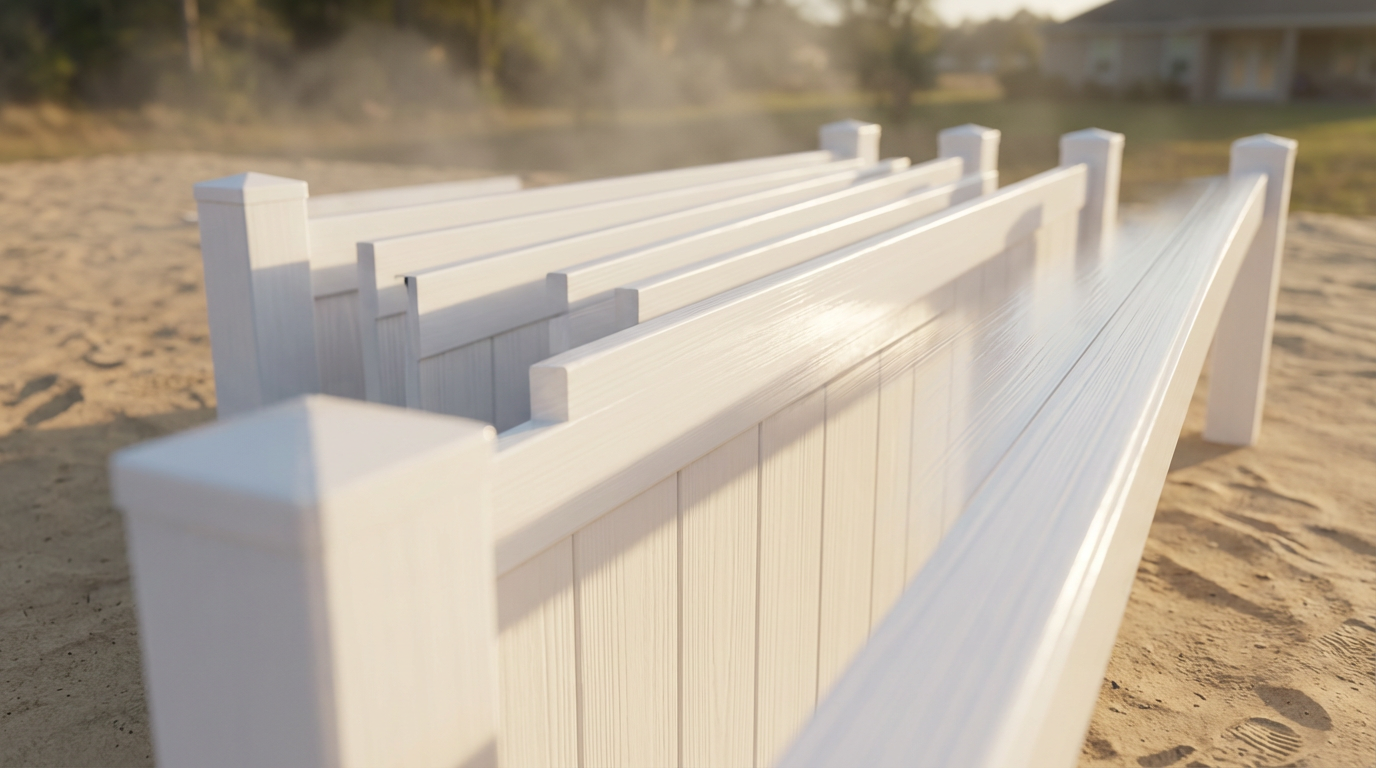
Aluminum Fencing: Durable and Elegant
Aluminum fencing offers a combination of durability and elegance. Known for its rust-resistant properties, aluminum is an ideal choice for areas with harsh weather conditions. Its lightweight nature also makes it easier to install compared to other metal options like wrought iron.
While aluminum fences provide a high-end appearance with minimal maintenance, they might not offer the same level of privacy as wood or vinyl. They are often chosen for decorative purposes, security, and to define property lines without obstructing views.
Wood Fencing: Classic and Customizable
Wood fencing remains a classic choice for its natural beauty and flexibility in design. Wood can be painted or stained in any color, allowing homeowners to match their fence with the exterior of their home. It is also relatively easy to install and repair.
However, wood requires regular maintenance to protect it from rot, insects, and weather damage. This includes periodic staining or painting and treating the wood to ensure its longevity. For those willing to invest time in upkeep, wood offers a timeless appeal that other materials may not match.
Factors to Consider When Choosing
When selecting the right fencing material, consider the following factors:
- Budget: Initial costs and long-term maintenance expenses.
- Durability: Resistance to weather, pests, and wear.
- Maintenance: Time and effort required for upkeep.
- Privacy and Security: Level of seclusion and safety needed.
- Aesthetic: How well the material complements your home.
Ultimately, the best fencing material depends on your specific needs and preferences. By weighing the pros and cons of vinyl, aluminum, and wood, you can choose a fence that enhances your property's value and appearance.