
Choosing Quality Materials for Outdoor Improvements: A Homeowner's Guide


When planning outdoor improvements, the choice of materials is a crucial factor that can determine the durability and aesthetic appeal of your project. Whether you're updating a patio, building a deck, or installing garden features, selecting the right materials ensures your investment will stand the test of time.
Understanding Your Environment
Before you start, consider the environmental conditions in your area. Factors like climate, weather patterns, and local flora and fauna can influence the longevity of your materials. For instance, materials that fare well in dry climates might not be suitable for regions with high humidity.
Evaluate how different materials react to the elements. Wood, for instance, can warp or rot if not treated properly, especially in damp conditions. On the other hand, metals might rust if not coated with protective finishes.
Choosing Durable Materials
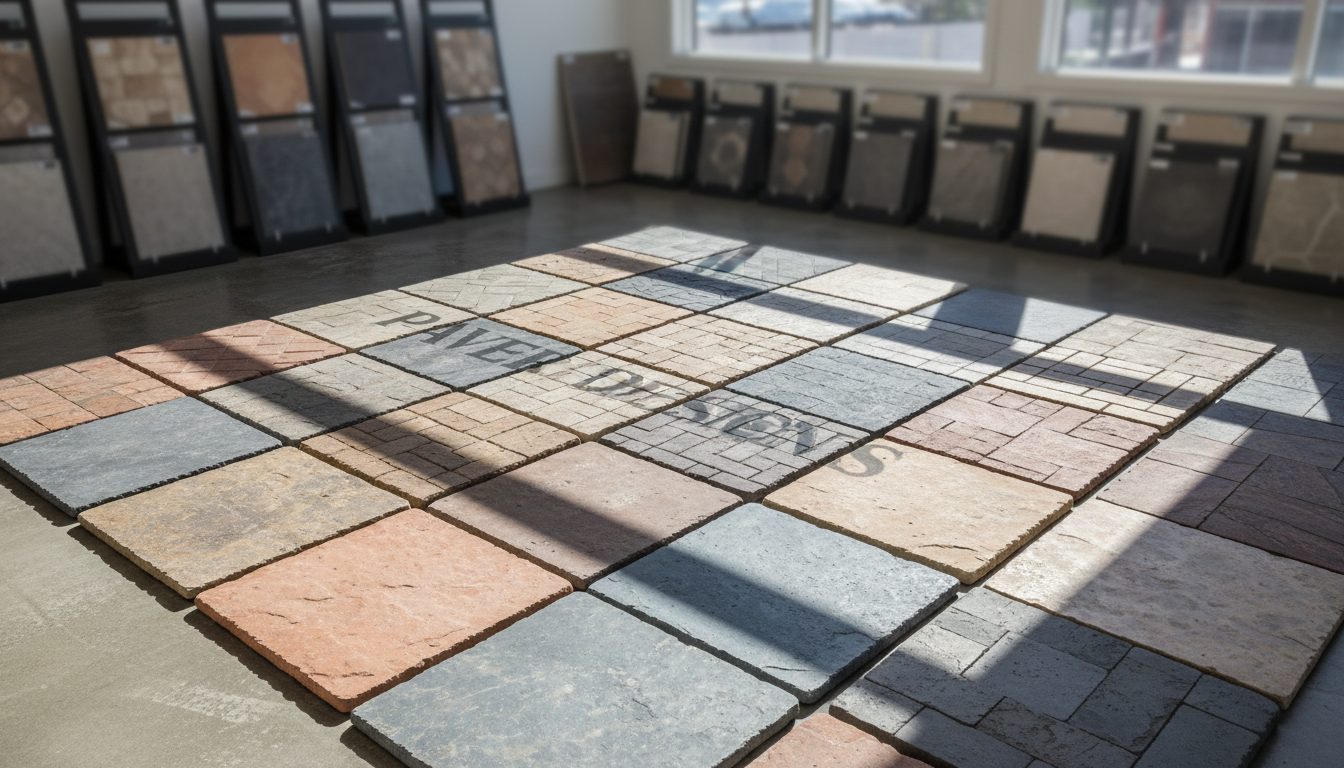
Durability should be at the forefront of your decision-making process. Opt for materials that are known for their long-lasting qualities. Some excellent choices include:
- Composite decking: Made from a mix of wood fibers and plastic, it's resistant to rot and insects.
- Natural stone: Offers timeless beauty and withstands harsh weather.
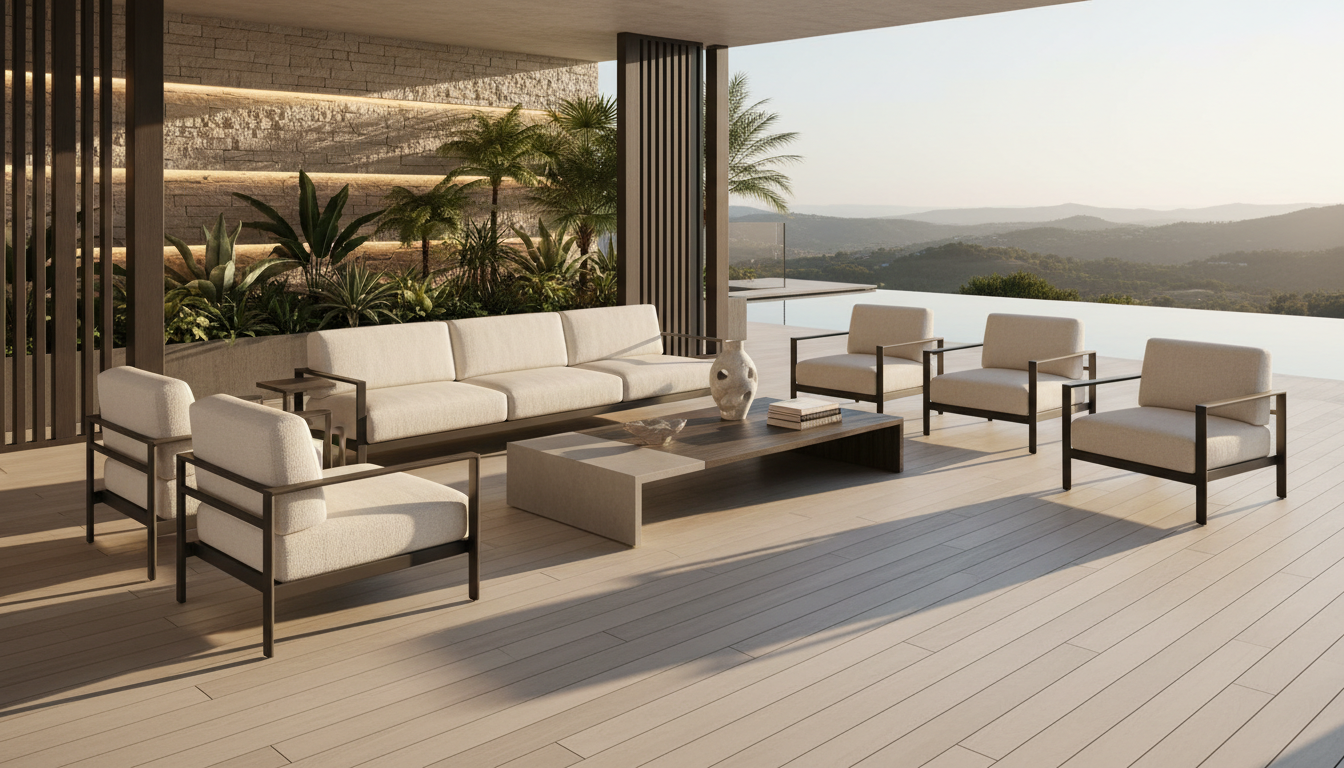
- Aluminum: Lightweight yet strong, perfect for outdoor furniture.
Investing in durable materials might have higher upfront costs but can save on maintenance and replacement in the long run.
Eco-Friendly Options
For environmentally conscious homeowners, choosing sustainable materials is a priority. Look for options like reclaimed wood or recycled metal, which reduce environmental impact while providing unique character to your space.
Consider materials that are locally sourced, as they often have a lower carbon footprint compared to those that require long-distance transportation.
Balancing Aesthetics and Functionality
Your outdoor space should be both beautiful and functional. While aesthetics play a significant role, ensure the materials you choose also meet the practical needs of the space. For example, a sleek, modern patio might look great with concrete pavers, but if you live in an area prone to freezing temperatures, they might crack.
Similarly, wood can provide a warm, natural look, but it may require regular maintenance to keep it looking its best.
Cost Considerations
Budget will inevitably influence your material choices. While it’s tempting to go for cheaper alternatives, remember that low-cost materials often require frequent repairs or replacements. Compare the long-term costs of maintenance with the initial savings to make an informed decision.
It's wise to allocate funds towards areas that will see the most use or need to withstand the most wear and tear, ensuring these parts of your outdoor space remain in good condition for years.
Consulting Professionals
If you're uncertain about which materials to choose, consulting with a professional can provide valuable insights. Landscapers, architects, and contractors have experience with various materials and can recommend options that suit your specific needs and environment.
Professionals can also help you avoid common pitfalls and ensure that your outdoor improvements are both beautiful and durable.