
Choosing Between Pavers and Concrete: A Comprehensive Guide


Understanding the Basics: Pavers vs. Concrete
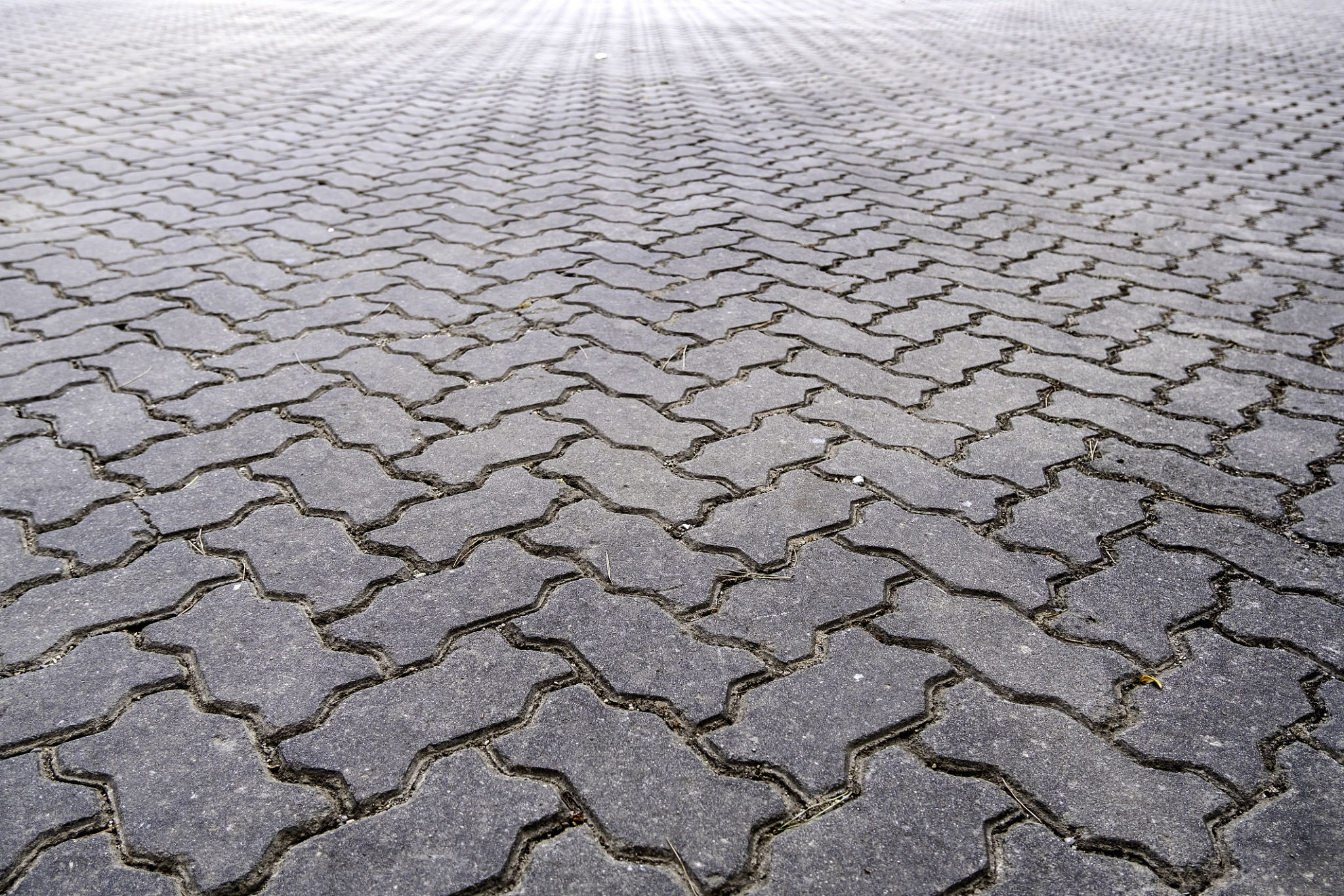
When it comes to choosing the right material for your outdoor surfaces, both pavers and concrete offer distinct advantages. Understanding these differences is key to making an informed decision. **Pavers** are individual stones or bricks that can be arranged in various patterns, offering a unique aesthetic appeal. On the other hand, **concrete** provides a seamless surface that is often more affordable and faster to install.
The choice between pavers and concrete often comes down to factors such as budget, aesthetics, and maintenance requirements. While pavers typically showcase a more customized appearance, concrete delivers a sleek, modern look that suits a variety of styles.

Cost Considerations
Cost is a significant factor for many homeowners when deciding between pavers and concrete. **Concrete** is generally less expensive to install due to its simpler process and fewer materials required. However, it's important to consider the long-term costs associated with maintenance and potential repairs.
**Pavers**, though initially more costly, can be more cost-effective in the long run. They are easier to repair since damaged pieces can be replaced individually without affecting the surrounding area. Additionally, pavers tend to have a longer lifespan if properly maintained.
Durability and Maintenance
Both materials offer strong durability, but they differ in their maintenance needs. **Concrete** slabs are prone to cracking over time due to temperature fluctuations and ground movement. This can result in costly repairs if not addressed promptly. Regular sealing can help extend the life of concrete surfaces.

**Pavers**, however, boast flexibility due to their segmented design. They can naturally shift with the ground without cracking, making them an excellent choice for areas susceptible to freeze-thaw cycles. Maintenance involves simple tasks like sweeping and occasionally replacing individual pavers if necessary.
Aesthetic Appeal
Aesthetics play a crucial role in many outdoor projects. **Pavers** offer a diverse range of styles, colors, and patterns, allowing homeowners to create customized designs that complement their home's architecture. This versatility makes pavers a popular choice for those looking to make a statement with their outdoor space.
**Concrete**, while more limited in design options, can still be enhanced with various finishes and decorative techniques such as stamping or staining. This can add texture and color to the surface, providing a more personalized appearance without breaking the bank.
Installation Process
The installation process is another factor to consider when choosing between pavers and concrete. **Concrete** installation is relatively quick and straightforward, often taking just a few days from start to finish. However, it requires proper curing time before it can be used, usually about a week.
Conversely, **paver** installation is more labor-intensive due to the need for precise placement and alignment of each piece. This process can take longer but allows for immediate use once completed.
Which Option is Right for You?
Ultimately, the decision between pavers and concrete depends on your specific needs and preferences. If you value flexibility in design and ease of repair, **pavers** may be the ideal choice for you. However, if budget constraints and a desire for a quick installation are your primary concerns, **concrete** might be the better option.
Consider your long-term plans for your outdoor space, as well as the environmental conditions of your area, to make the best choice for your home. By weighing these factors carefully, you can ensure that your investment in your outdoor space will provide satisfaction for years to come.