
Avoid Common Pitfalls: Expert Tips for Successful Fence Installation


Understanding Your Needs
Before diving into a fence installation project, it's essential to identify your specific needs. Are you looking for privacy, security, or simply adding aesthetic appeal to your property? Knowing your primary goals will guide you in choosing the right materials and design.
Consider your budget and timeline as well. Having a clear understanding of these factors will help prevent overextending your resources and ensure a smooth installation process.

Selecting the Right Materials
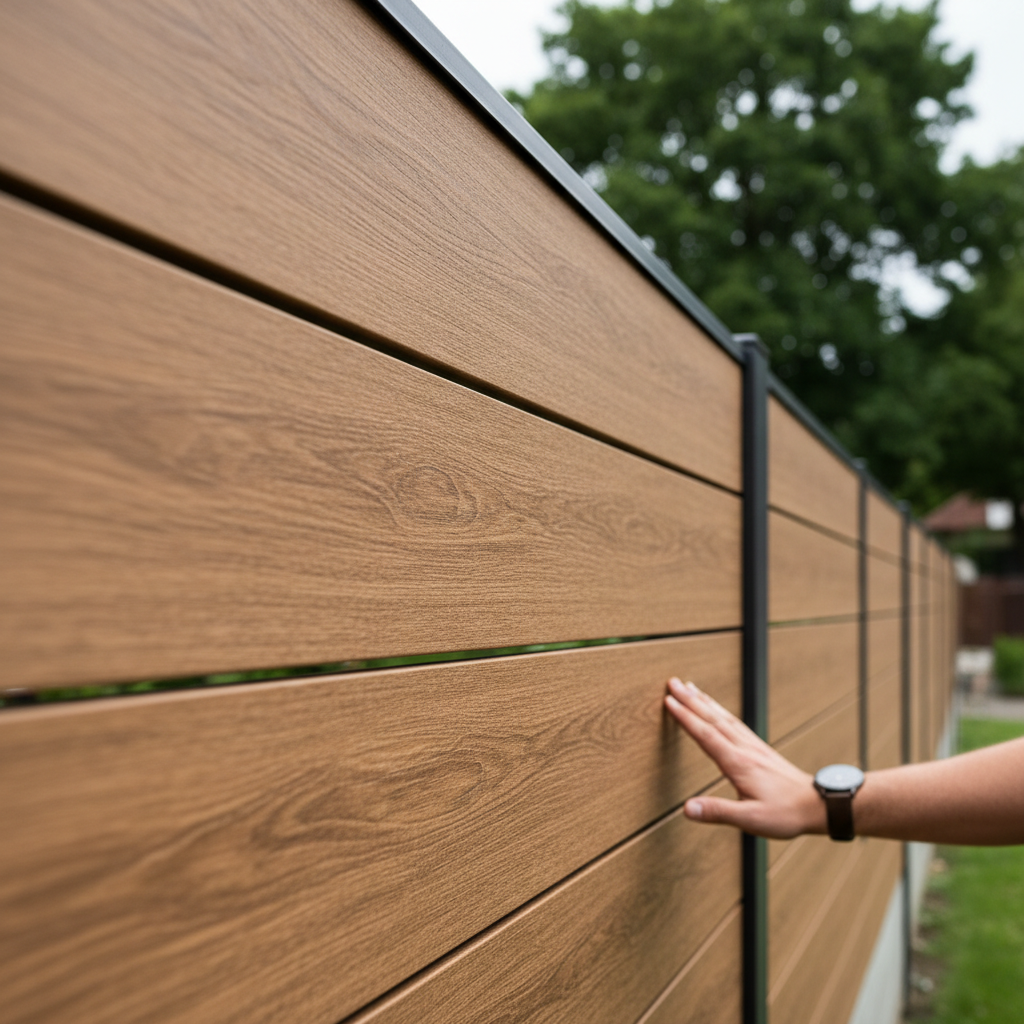
Choosing the right materials for your fence is crucial to its longevity and functionality. Options like wood, vinyl, and metal each have their pros and cons. For instance, wood offers a classic look but requires regular maintenance, while vinyl is low-maintenance but can be more expensive initially.
It's important to consider your local climate and environmental conditions. Some materials withstand harsh weather better than others, so make sure to research and select accordingly.
Proper Planning and Measurement
Accurate measurements are vital for a successful fence installation. Always measure twice to avoid costly mistakes. Ensure you know the exact boundaries of your property to prevent disputes with neighbors. Consulting a professional surveyor can be a wise investment to confirm property lines.
Planning also involves checking with local regulations and obtaining necessary permits. Skipping this step can lead to fines or having to redo the installation, which can be both time-consuming and expensive.
Avoiding Common Installation Errors
One of the most common pitfalls in fence installation is improper post setting. Posts should be installed deep enough to withstand environmental forces like wind and soil erosion. A general rule is to set posts at least one-third of their length in the ground.
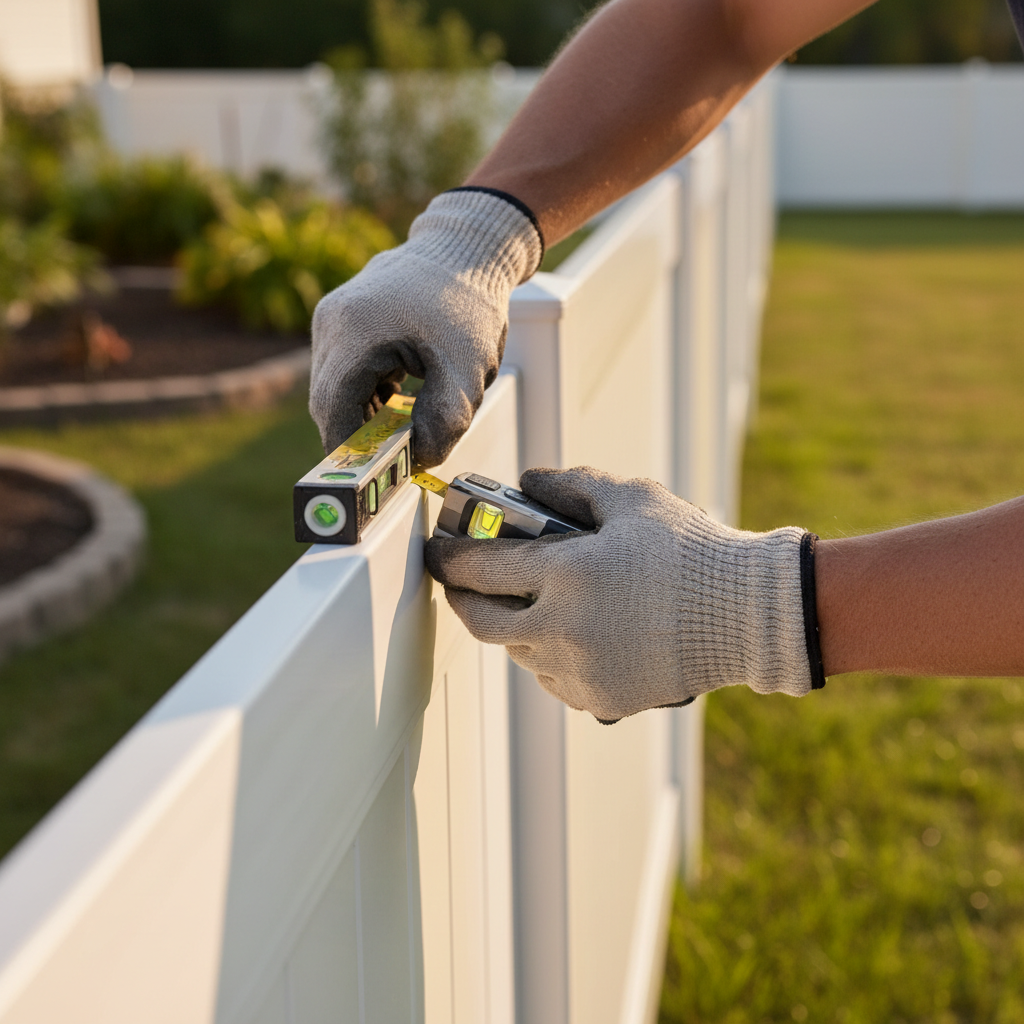
Another mistake is neglecting to use a level. This can result in a fence that is uneven and unappealing. Always double-check your work to maintain a straight, professional appearance.
Maintaining Your Fence
Once your fence is installed, regular maintenance is key to extending its lifespan. For wooden fences, this might include painting or staining every few years to protect against moisture and pests. Vinyl and metal fences also benefit from occasional cleaning and inspection for any damage.
Establish a maintenance schedule and stick to it. Regular upkeep not only preserves the appearance of your fence but also prevents minor issues from becoming significant problems.
Seeking Professional Help
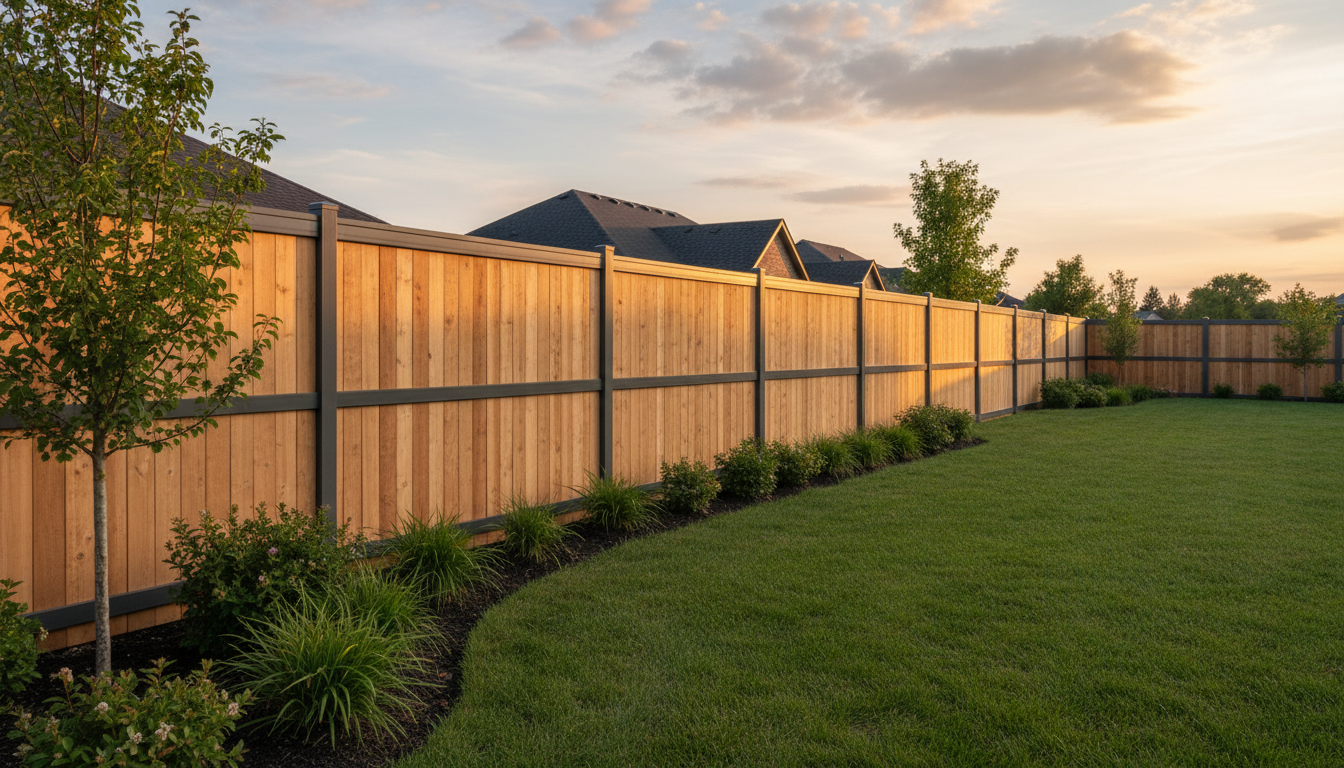
If the process seems overwhelming or you're unsure about your DIY skills, don't hesitate to seek professional help. Experts can provide valuable insights and ensure your fence is installed correctly and efficiently, saving you time and potential headaches.
Hiring professionals can also be a cost-effective solution in the long run, as it reduces the risk of errors that might require costly repairs or replacements.