
Artificial Grass vs Real Grass: A Comprehensive Guide for Homeowners


Understanding Artificial Grass
Artificial grass, also known as synthetic turf, is a surface made from synthetic fibers designed to mimic the look of natural grass. It has gained popularity among homeowners due to its low maintenance requirements and aesthetic appeal. Unlike real grass, artificial grass doesn't require watering, mowing, or fertilizing, making it a convenient option for those with busy lifestyles.
One of the significant advantages of artificial grass is its durability. It can withstand harsh weather conditions and heavy foot traffic without showing signs of wear and tear. This makes it an excellent choice for families with children or pets who frequently use the yard for play.
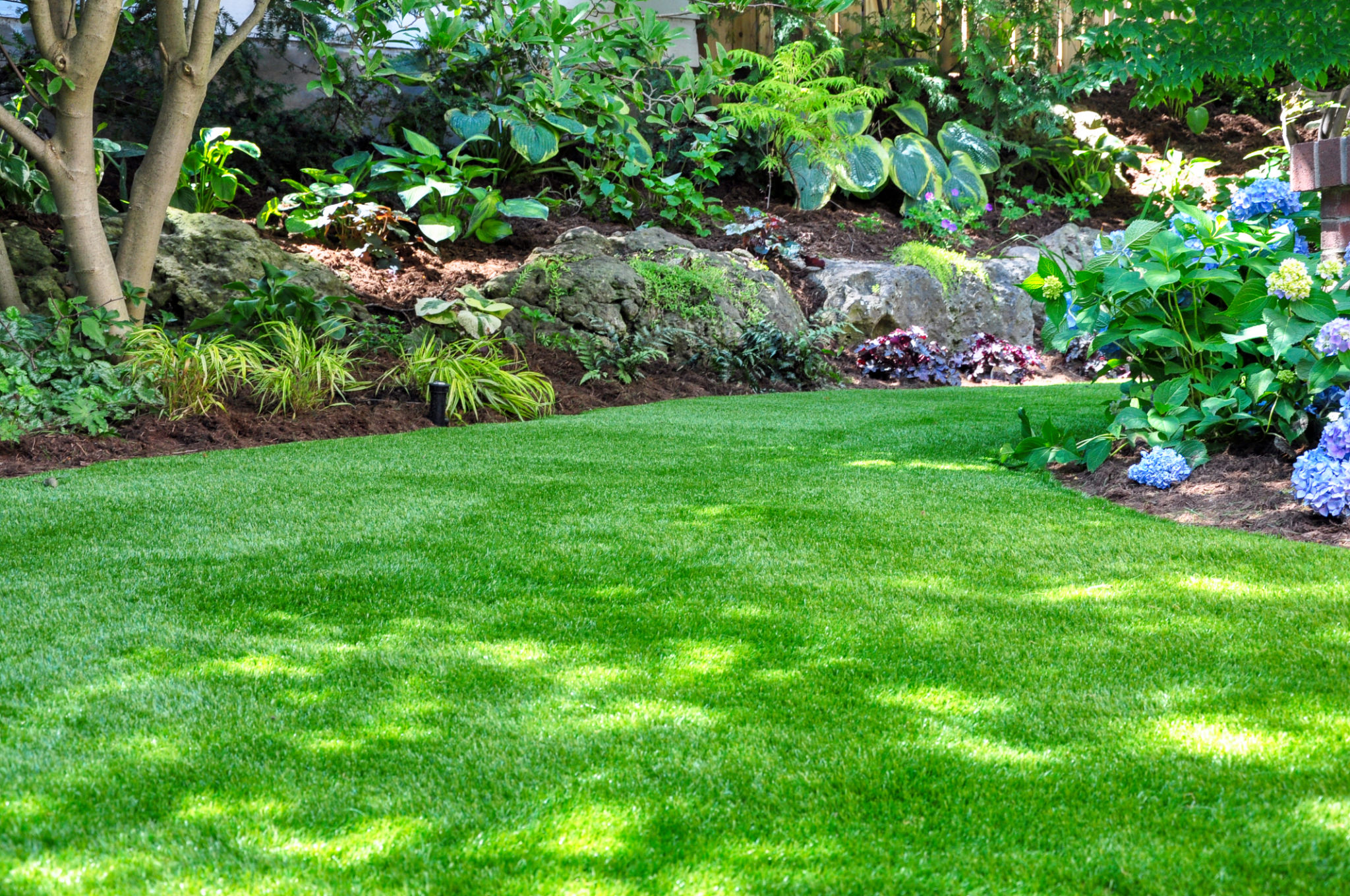
The Benefits of Real Grass
Real grass offers a natural look and feel that many homeowners appreciate. It provides numerous environmental benefits, such as carbon dioxide absorption and oxygen production, contributing to a healthier ecosystem. Additionally, natural grass supports biodiversity by providing habitat for various insects and microorganisms.
Another advantage of real grass is its ability to cool the surrounding environment. Unlike artificial turf, which can become quite hot in direct sunlight, real grass helps reduce temperatures through a natural process called transpiration. This cooling effect can make outdoor spaces more comfortable during the warmer months.
Environmental Impact
When comparing artificial and real grass, it's essential to consider their environmental impacts. Artificial turf is made from synthetic materials, which can contribute to pollution if not disposed of properly. However, it eliminates the need for pesticides and fertilizers, which can negatively affect the environment.

In contrast, maintaining real grass often requires water, fertilizers, and chemicals that can harm the ecosystem if not managed responsibly. Homeowners concerned about their environmental footprint should weigh these factors carefully when deciding between the two options.
Cost Considerations
The initial cost of installing artificial grass can be higher than planting real grass. However, it's important to consider the long-term savings. With artificial turf, homeowners save on water bills, lawn care products, and maintenance equipment. Over time, these savings can offset the initial investment.

On the other hand, real grass typically has a lower upfront cost but may incur additional expenses over time due to regular upkeep requirements. This includes watering, mowing services, fertilizers, and pest control products.
Aesthetic Preferences
Ultimately, the choice between artificial and real grass may come down to personal preference. Some homeowners prefer the lush, natural appearance of real grass and enjoy the process of maintaining a living lawn. Others appreciate the neat, uniform look of artificial turf and the convenience it offers.
In conclusion, both artificial and real grass have their unique advantages and challenges. When deciding which option is best for your home, consider factors such as maintenance requirements, environmental impact, cost, and personal aesthetic preferences. By weighing these aspects carefully, you can make an informed decision that enhances your outdoor living space.