
5 Common Myths About Artificial Grass Debunked


Understanding Artificial Grass: Debunking the Myths
Artificial grass has become a popular choice for homeowners looking to maintain a lush, green lawn without the hassle of constant upkeep. Despite its growing popularity, there are several myths surrounding artificial grass that can deter people from considering it. Let's explore and debunk some of these common misconceptions.
Myth 1: Artificial Grass Looks Unnatural
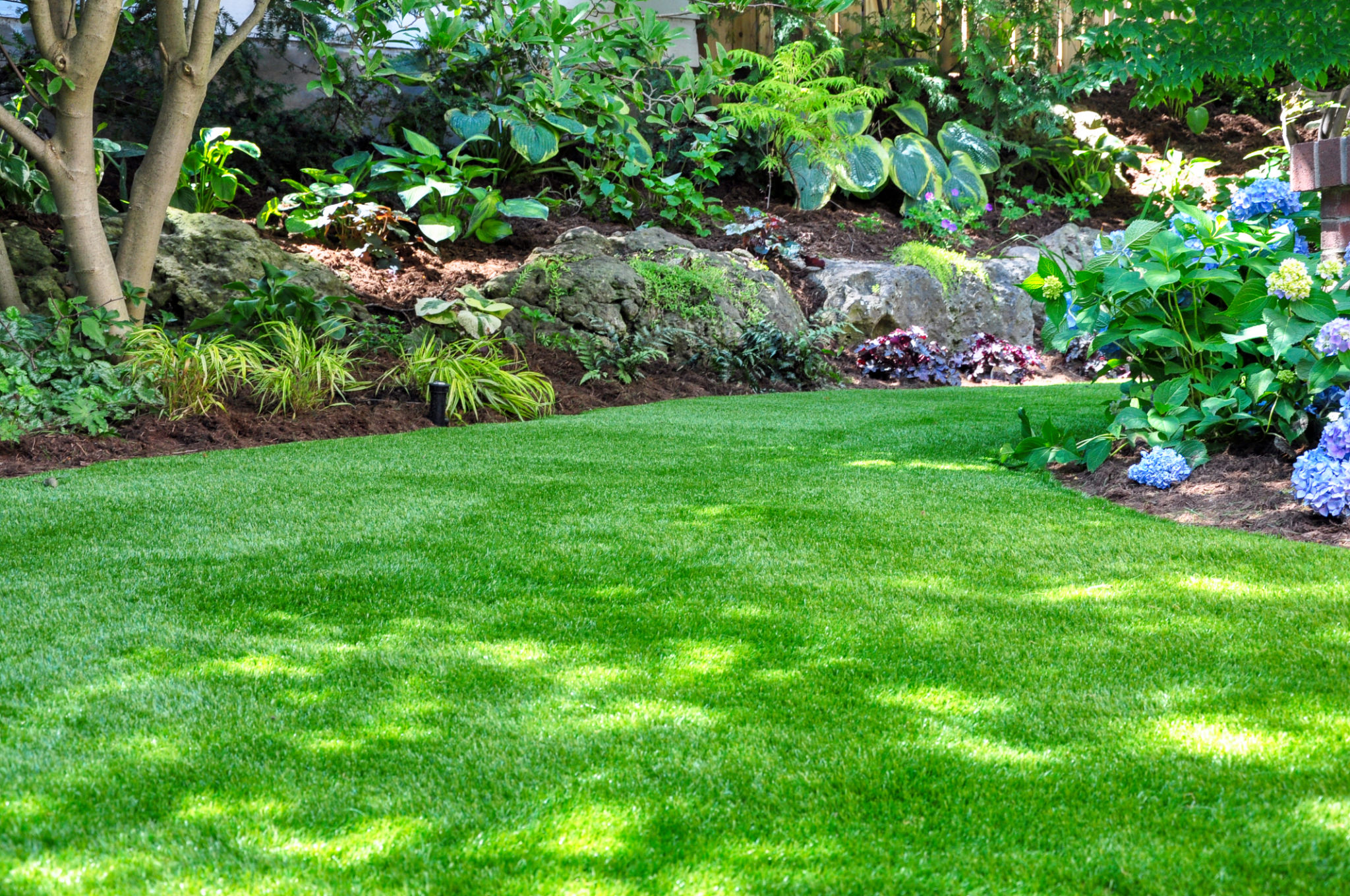
One of the most persistent myths about artificial grass is that it looks fake or unnatural. In reality, modern artificial grass has come a long way in terms of design and realism. Today's options feature various shades of green, different blade lengths, and even brown flecks to mimic the appearance of natural grass. Many people find it difficult to distinguish between high-quality artificial grass and the real thing.
Myth 2: Artificial Grass is Harmful to the Environment
Another common misconception is that artificial grass is bad for the environment. While it’s true that artificial grass is made from synthetic materials, it offers several environmental benefits. For instance, it reduces the need for pesticides, fertilizers, and excessive water usage. Furthermore, many manufacturers are now using recyclable materials and eco-friendly production processes.

Myth 3: Artificial Grass is Too Hot to Walk On
Some people believe that artificial grass becomes unbearably hot in the sun, making it uncomfortable to walk on. Although synthetic turf can get warm on hot days, many products are designed with cooling technology to mitigate this issue. Additionally, simple measures like watering the grass can help reduce the surface temperature, ensuring a comfortable experience.
Myth 4: Artificial Grass Requires No Maintenance
While it's true that artificial grass requires significantly less maintenance than natural grass, it still needs some attention. Regularly rinsing and brushing the turf can help keep it looking fresh and inviting. It’s also important to remove debris and address any potential drainage issues. Proper care can extend the lifespan and beauty of artificial grass.
Myth 5: Artificial Grass is Too Expensive
Cost is a major consideration for many homeowners, and there's a misconception that artificial grass is prohibitively expensive. Although the initial installation cost can be higher than seeding or sodding a natural lawn, the long-term savings are substantial. Without the need for mowing, watering, or fertilizing, homeowners can save money over time. Plus, the durability of artificial grass means fewer replacements and repairs.
In conclusion, artificial grass offers a practical, aesthetically pleasing, and environmentally friendly alternative to traditional lawns. By debunking these common myths, more homeowners can make informed decisions about incorporating artificial grass into their landscapes.