
5 Common Myths About Artificial Grass Debunked


Myth 1: Artificial Grass Looks Fake
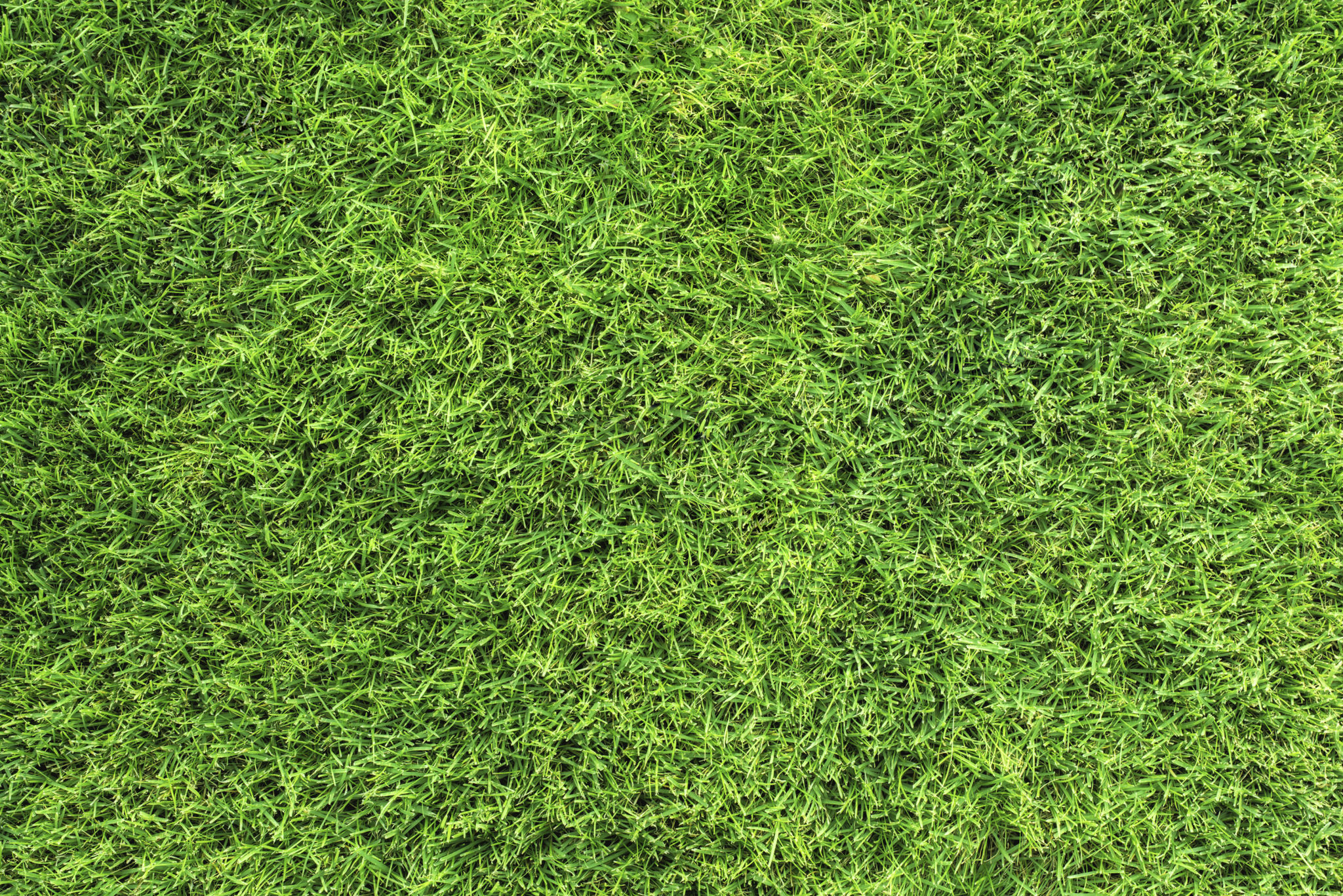
One of the most common misconceptions about artificial grass is that it looks fake and unappealing. However, advancements in technology have significantly improved the appearance of synthetic turf, making it challenging to distinguish from real grass. Manufacturers now produce artificial grass in various shades of green and textures, mimicking the natural variations found in a real lawn.
Realism in Design
Today's artificial grass often incorporates brown thatch layers to simulate the look of natural soil beneath the green blades. This intricate design gives artificial lawns a more realistic and visually appealing appearance. Whether you are up close or viewing from a distance, modern synthetic turf blends seamlessly into your outdoor space.
Myth 2: Artificial Grass is Too Expensive
Another widespread belief is that artificial grass is prohibitively expensive. While the upfront cost can be higher than natural grass, the long-term savings make it a cost-effective choice. Natural grass requires regular maintenance, including watering, fertilizing, mowing, and pest control, all of which add up over time.

Long-Term Savings
Artificial grass eliminates these recurring expenses. Once installed, it requires minimal upkeep. Homeowners often find that the investment pays for itself within a few years through reduced water bills and maintenance costs. Overall, synthetic turf can be a financially savvy decision for those looking to save money over time.
Myth 3: Artificial Grass Isn’t Eco-Friendly
Many people assume that artificial grass is harmful to the environment. However, it can be more eco-friendly than traditional lawns. Natural grass requires vast amounts of water and chemical fertilizers to maintain its lush appearance. In contrast, synthetic turf does not need watering or harmful pesticides.
Water Conservation
With growing concerns about water scarcity, artificial grass offers a sustainable option by significantly reducing water usage. Additionally, it eliminates the need for chemical treatments that can leach into the soil and waterways. By choosing synthetic turf, homeowners can contribute to environmental conservation efforts.

Myth 4: Artificial Grass Gets Too Hot
It's true that artificial grass can get warm under direct sunlight, but this issue is not unique to synthetic turf. Any surface exposed to the sun can become hot. However, many manufacturers have developed cooling technologies that reduce heat retention in artificial grass.
Cooling Technologies
Innovative solutions such as lighter-colored fibers and infill materials with cooling properties help keep artificial lawns comfortable even on hot days. Additionally, a quick rinse with water can lower the temperature, making it enjoyable for both children and pets to play on.
Myth 5: Artificial Grass Harms Wildlife
Some people worry that installing artificial grass will disrupt local wildlife habitats. In reality, synthetic turf can be a wildlife-friendly option. By eliminating pesticides and fertilizers, homeowners create a safer environment for birds and other small animals.

Integrating with Nature
Artificial lawns can be designed to blend with natural elements such as shrubs, trees, and flower beds, providing habitats for various species. By incorporating these features into your landscape design, you can enjoy a beautiful lawn while supporting the local ecosystem.
In conclusion, while there are many myths surrounding artificial grass, the reality is that it offers numerous benefits for homeowners looking to create an attractive, low-maintenance outdoor space. As technology continues to advance, synthetic turf will only become more realistic and environmentally friendly.